There is a specific frustration unique to plug-in hybrid owners: waking up to a dead 12V battery despite the high-voltage pack showing a full charge. For Range Rover Evoque P300e owners, this paradox is often linked to complex hybrid system quirks rather than a simple alternator failure. The P300e combines a 1.5L Ingenium petrol engine with an electric motor, creating a sophisticated powertrain that relies heavily on software management to maintain the auxiliary 12V system. At Engine Finders, we analyze powertrain failures daily, and understanding the interaction between the DC-DC converter and the battery management system is crucial for diagnosis. This guide explores the technical causes of 12V drain in the Evoque PHEV, ensuring you maintain compliance and reliability on UK roads.
Range Rover Evoque P300e 12V Battery Drain Causes
The primary cause of 12V depletion in the P300e is often a failure in the voltage conversion process rather than the battery itself. Unlike conventional vehicles, the 12V battery in a PHEV is charged by the high-voltage traction battery via a DC-DC converter, not a traditional belt-driven alternator.
PHEV Hybrid System DC-DC Converter Failure
When the DC-DC converter malfunctions, the 12V battery is not replenished while the vehicle is in electric mode or when the petrol engine is off. This leads to a gradual drain as modules remain active in sleep mode. Owners should monitor the dashboard for warnings related to the electrical power system. For specific compatibility checks regarding hybrid powertrains, you can review the inventory for Range Rover Evoque PHEV engine units to ensure any replacement components match the original hybrid architecture.
Parasitic Drain from Infotainment Modules
Software glitches in the InControl Touch Pro system can prevent the vehicle from entering deep sleep mode, causing continuous parasitic drain. This is a known issue where the telematics unit remains active overnight. If the 12V battery is repeatedly drained, its lifespan diminishes rapidly. For a broader understanding of electrical loads across the brand, our database covers details on various Range Rover Evoque engines that may share similar infotainment architectures and power management systems.
Land Rover Ingenium Engine Impact on 12V Charging
The internal combustion component of the P300e is the 1.5L three-cylinder Ingenium petrol engine. Its operation cycle directly influences how often the DC-DC converter activates to charge the 12V battery.
PT204 Petrol Engine Charging Specifications
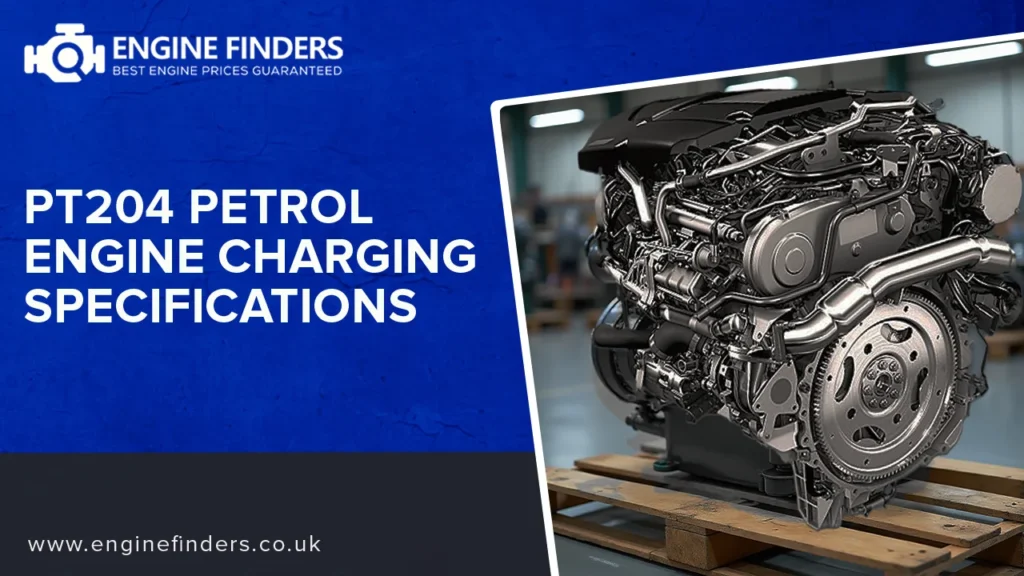
The Ingenium PT204 engine in the P300e is designed to start seamlessly to support hybrid functions. According to OEM technical data, the engine management system prioritizes 12V voltage levels when deciding to start the petrol engine. If the engine struggles to start due to mechanical wear, the 12V system suffers. For technical comparisons, you might view listings for a Jaguar Land Rover PT204 petrol engine to understand the standard specifications for this powertrain family.
AJ200P and AJ300D Comparison
While the P300e uses a petrol hybrid setup, understanding other Ingenium variants helps diagnose charging issues. The Jaguar Land Rover AJ200P petrol engine uses a traditional alternator, whereas the PHEV does not. Conversely, the Jaguar Land Rover AJ300D diesel engine also relies on belt-driven charging. Recognizing this distinction is vital when troubleshooting; a mechanic looking for an alternator on a P300e will not find one, as the charging logic is entirely digital and converter-based.
Range Rover Evoque L551 Electrical System Quirks
The current generation Evoque (L551) introduced the P300e powertrain, bringing new electrical architectures compared to the previous L538 model. These architectural changes impact how battery drain is managed.
L538 vs L551 Architecture Differences

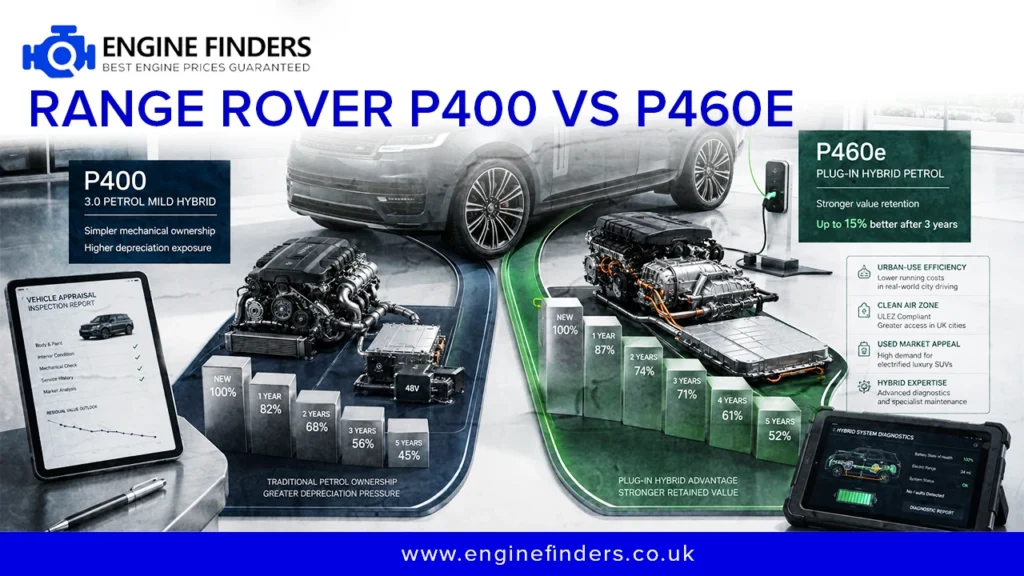
The previous Range Rover Evoque L538 engine models did not feature the PHEV system, meaning their 12V drain issues were typically alternator or battery related. The L551 chassis introduces a 48V mild-hybrid logic in some trims and full PHEV in others. When sourcing parts, ensuring the chassis code matches is critical. You can verify specific compatibility by checking the Range Rover Evoque L551 engine listings to avoid purchasing incompatible combustion units for your hybrid vehicle.
Software Updates and Battery Management
Land Rover frequently releases software updates to address sleep mode issues. Ensuring your vehicle’s software is up to date can mitigate unnecessary drain. You should regularly check vehicle recall status using your VIN to see if any manufacturer campaigns apply to your specific L551 production date. Ignoring software recalls can leave the battery management system vulnerable to known bugs that cause excessive drain.
Cost of Range Rover Evoque PHEV Engine Replacement
If the 12V drain has caused significant damage to the starter motor or the petrol engine due to frequent failed start attempts, replacement may be necessary. The cost varies based on the source of the engine.
Used vs Reconditioned Engine Options
Owners typically weigh the cost of a brand-new unit against a salvaged or refurbished one. A used engines option can offer significant savings, often costing a fraction of the dealer price, provided the mileage and health are verified. Alternatively, a reconditioned engines solution involves rebuilding the original unit with new seals and worn parts, offering a balance between cost and reliability for the Ingenium platform.
Sourcing Compatible Range Rover Powertrains
When searching for replacements, it is essential to look at suppliers who specialize in Land Rover products. A general breaker may not understand the hybrid integration requirements. For accurate compatibility checks regarding Land Rover powertrains, you can review the specific inventory for Range Rover engines to ensure the engine control unit (ECU) matches your vehicle’s hybrid system.
Getting Accurate Replacement Quotes
Prices fluctuate based on availability and demand. To secure the best market rate, it is advisable to compare multiple suppliers. You can get quotes from verified UK suppliers to compare pricing for both used and reconditioned Evoque engine units instantly.
Get a Quote for Your Range Rover Engine Ready to restore your Evoque’s reliability? Submit your registration details today to receive competitive quotes from trusted UK suppliers for your Range Rover PHEV engine replacement.
UK MOT and Safety Compliance for PHEV Systems
Replacing components in a hybrid vehicle involves legal considerations beyond standard combustion cars. The 12V system is integral to the safety systems, including braking and steering assistance.
DVLA Registration and Hybrid Status
If the engine is replaced, the V5C logbook may need updating depending on the fuel type recorded, though typically like-for-like swaps do not change the fuel class. However, ensuring your documentation matches the physical engine is a key part of EEAT compliance for vehicle ownership. You can verify current vehicle tax rates and emission bands via the UK Government vehicle tax rate tables. Maintaining the correct hybrid status ensures you benefit from the appropriate tax band.
MOT Testing for High Voltage Systems
During the MOT, testers check for obvious safety hazards. While the 12V battery is standard, the presence of high-voltage orange cabling requires careful inspection. A vehicle with a compromised electrical system may fail if there are visible leaks or exposed wiring. You can verify your vehicle’s current status using the check MOT status tool before and after the replacement to ensure no advisories are logged regarding electrical safety.
Government Grants and Low Emission Compliance
Owners of PHEVs often benefit from specific tax incentives. Ensuring the vehicle remains compliant with low emission standards is crucial for retaining these benefits. You can review guidance on low emission vehicles to understand how engine modifications might affect your eligibility for future grants or clean air zone exemptions.
Conclusion
The Range Rover Evoque P300e is a sophisticated vehicle, but its reliance on the DC-DC converter for 12V charging introduces unique failure points. Understanding the difference between traditional alternator charging and hybrid converter logic is key to diagnosing battery drain. Whether the solution involves a software update, a battery replacement, or a full engine swap, ensuring compliance with UK regulations and sourcing parts from verified suppliers is crucial. With the right maintenance and timely repairs, the Evoque PHEV can continue to deliver efficient performance without the risk of being stranded by a dead 12V battery.