For many drivers, the thought of engine trouble sparks instant anxiety. The engine is the heart of your car the component that makes everything else function. When something goes wrong, it can feel overwhelming, expensive, and complicated. However, understanding the basics of car engine repair doesn’t require you to be a professional mechanic. By learning the signs of trouble, the most common issues, and the importance of preventive maintenance, you can avoid costly breakdowns and make informed decisions when repairs become necessary. This guide will walk you through everything you need to know about engine repair, from the fundamentals of how engines work to when to consider a rebuild, a used engine, or a reconditioned option.
Understanding the Basics of Your Engine

At its core, a car engine is a machine that converts fuel into motion. Most vehicles today use internal combustion engines, which burn fuel inside cylinders to generate energy. When the fuel-and-air mixture is ignited, small controlled explosions push pistons up and down. These pistons connect to a crankshaft, which converts the motion into rotational energy that ultimately powers your wheels. Supporting components, such as spark plugs, valves, and camshafts, all work together to ensure the process runs smoothly.
Engines come in different types. Gasoline engines, which use spark plugs for ignition, are the most common. Diesel engines rely on compression to ignite fuel and are known for durability and efficiency. Hybrid engines combine fuel-powered systems with electric motors, offering better efficiency and reduced emissions. If you’re considering replacements, companies like Engine Finders specialize in helping drivers locate the right used engines or reconditioned engines for their vehicles.
Signs Your Engine Needs Repair
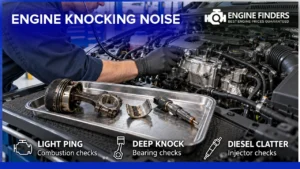
Your car often warns you when something isn’t right. Strange noises are one of the most common red flags. Knocking, pinging, or grinding sounds often indicate internal wear or timing issues. The “Check Engine” light on your dashboard is another important signal. While it might be something minor, such as a loose gas cap, it could also point to a more serious misfire or system malfunction. Excessive smoke from the exhaust is a sign that should never be ignored. Blue smoke means your car engine is burning oil, white smoke often signals coolant leaking into the cylinders, and black smoke suggests the engine is burning too much fuel.
Performance issues also provide clear warnings. If you notice sluggish acceleration, reduced fuel efficiency, or frequent stalling, your engine may be struggling. Overheating is another serious concern. If your temperature gauge frequently climbs into the danger zone, it could mean coolant leaks or a failing head gasket. Recognizing these signs early often makes the difference between a minor repair and a costly replacement.
Common Engine Problems
Engines are complex, but some problems show up more often than others. Worn-out spark plugs can cause misfires, rough idling, and poor fuel economy. Oil leaks, often from gaskets or seals, can lead to lubrication failure. Timing belt or chain issues are particularly serious because a broken belt can cause catastrophic internal damage. Cooling system failures, such as a faulty radiator or thermostat, can cause overheating. A blown head gasket allows coolant and oil to mix, often producing white smoke and costly repairs. Fuel system issues, like clogged injectors or a failing pump, also prevent your engine from getting the fuel it needs.
When problems escalate, some drivers choose to replace their best car engine with a reconditioned engine rather than paying for expensive repairs. This can be a cost-effective option, especially when sourced from trusted providers like Engine Finders.
DIY vs. Professional Engine Repair
With countless tutorials online, many car owners wonder if they can handle repairs themselves. Some maintenance tasks, such as replacing filters or spark plugs, are perfectly safe for a DIY enthusiast. Checking fluids or replacing simple belts can also be managed at home. However, more complex tasks, like replacing a timing belt or repairing a head gasket, are best left to professionals. Mistakes on these jobs can cause further damage and increase costs.
If you’re not sure whether to attempt a repair, it’s always best to get a quote from a mechanic first. Having a professional diagnosis can save you from costly trial and error.
How Mechanics Diagnose Engine Problems

Today’s vehicles rely heavily on computer systems, so diagnosing engine problems requires advanced tools. Mechanics use scanners to read error codes from the car’s onboard computer, conduct visual inspections, and often take the vehicle for a test drive. More advanced testing, such as compression checks, leak-down tests, or smoke testing, may be necessary to pinpoint hidden issues. By combining technology with hands-on expertise, mechanics ensure they target the actual problem rather than wasting time and money on guesswork.
Preventive Maintenance to Avoid Major Repairs
The best way to avoid costly car engine repairs is through preventive maintenance. Regular oil changes keep your engine lubricated, while checking coolant prevents overheating. Replacing belts, hoses, and filters on schedule helps the engine run efficiently and avoids sudden breakdowns. Following the manufacturer’s maintenance guidelines is the smartest way to extend your engine’s life. For drivers considering longevity, investing in quality fluids and fuels also makes a measurable difference. A little money spent on preventive care today can prevent you from needing a used engine or reconditioned engine down the road.
The Cost of Engine Repairs
Engine repairs vary widely in cost. Replacing spark plugs might cost just a few hundred dollars, while a timing belt job can easily reach a thousand. Major repairs, like fixing a head gasket, often run into the thousands. In extreme cases, a full rebuild or replacement may cost several thousand dollars more. At that point, it’s worth comparing repair costs with the price of installing a used engine or a reconditioned engine.
For budget-conscious drivers, exploring options with providers like Engine Finders can reveal whether sourcing a replacement engine is more cost-effective than attempting a repair. Before making a decision, it’s smart to get a quote so you can weigh your options.
Engine Rebuild vs. Engine Replacement
When major engine damage occurs, two options typically remain: rebuilding or replacing. A rebuild involves disassembling the engine, replacing worn parts, and reassembling it. It’s often less costly than replacement and retains the original block. A replacement, however, installs a new or remanufactured engine, often with a warranty for peace of mind.
If you’re considering replacement, many drivers choose a used engine or a reconditioned engine from trusted suppliers rather than paying dealership prices. Companies like Engine Finders make it easier to compare these options and get a quote that matches your budget and vehicle needs.
Choosing the Right Mechanic or Shop

Finding a reliable mechanic is as important as the repair itself. Look for certifications, such as ASE or manufacturer training, to ensure expertise. Reputation matters too, so check reviews, ask for recommendations, and look for transparency in pricing. Good shops provide warranties on labor and parts, which protect your investment. Some repair shops also partner with suppliers of used engines and reconditioned engines, giving you more affordable options when repair isn’t possible.
Conclusion
Engine repair may feel daunting, but with the right knowledge, it becomes much easier to manage. By understanding how your car engine works, spotting warning signs early, and following preventive maintenance, you can save money and extend your vehicle’s life. When problems do arise, knowing when to repair, rebuild, or consider a used engine gives you more control over your options.
Whether you’re shopping for reconditioned engines or simply trying to avoid expensive breakdowns, staying informed is the key. Don’t wait until a major failure occurs—stay proactive and build a relationship with trusted providers like Engine Finders. And when you’re unsure of costs, always remember to get a quote before making your final decision. Caring for your engine today ensures smoother rides, better performance, and peace of mind tomorrow.