That metallic rattle on cold startup – lasting 2–5 seconds before fading – might not just be “normal engine noise.” For UK owners of 2016–2024 Jaguar XE P250 and P300 petrol models, it’s often the first sign of timing chain stretch, a known design flaw in the Ingenium 2.0L turbocharged petrol engine (engine codes: AJ204, AJ206). Unlike the diesel variants covered in other guides, the petrol XE’s timing system uses a plastic tensioner and guide rail prone to premature wear, especially with infrequent oil changes or short-trip driving. Left unchecked, excessive chain slack can lead to valve timing errors, power loss, or even catastrophic engine failure. If you own a P250 or P300, understanding this risk – and your repair options – is critical.
Jaguar XE P250 Timing Chain Stretch: Early Warning Signs You Can’t Ignore
The Ingenium 2.0L petrol engine in the XE was designed for efficiency and performance, but its timing chain tensioner has become a weak point. Unlike timing belts, chains are meant to last the engine’s lifetime – but in early-production P250/P300 units (2016–2020), that’s not always the case.
Cold-Start Rattle: The #1 Symptom of XE Timing Chain Wear

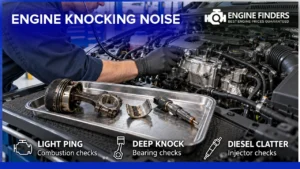
Owners across UK forums like Jaguar Enthusiasts Club consistently report a “diesel-like rattle” on ignition that disappears once the engine warms up. This noise comes from the chain slapping against the guide rails due to insufficient tension. While subtle at first, it worsens over time and may trigger fault codes like P0016 (cam/crank correlation).
Real-World Insight: According to data from MOT inspections, unresolved timing issues are a growing cause of emissions-related failures in petrol Ingenium engines – particularly when misfires develop.
Loss of Power or “Restricted Performance” Mode
As chain stretch increases, the variable valve timing (VVT) system loses calibration. The ECU may respond by limiting boost or cutting fuel, resulting in:
- Sudden power drop under acceleration
- Illuminated check engine light
- Entry into “limp mode”
This isn’t just a performance hiccup – it’s your engine’s last warning before mechanical damage occurs.
Why Do Jaguar XE P250 Petrol Engines Suffer Timing Chain Issues?

The root cause lies in a combination of material choice and oil maintenance sensitivity.
Plastic Timing Chain Guides Degrade Faster Than Expected
Jaguar’s early Ingenium petrol engines used nylon-reinforced plastic guides to reduce cost and noise. However, under high heat and stress – common in turbocharged applications – these guides wear, crack, or disintegrate after 50,000–70,000 miles, especially if engine oil isn’t changed every 10,000 miles or 12 months (whichever comes first).
Oil Dilution and Infrequent Oil Changes Accelerate Wear
Unlike diesel models, petrol XEs don’t suffer from DPF-related oil dilution – but short urban journeys still prevent the oil from reaching optimal temperature, leading to moisture buildup and accelerated guide wear. The UK’s cold, damp climate exacerbates this issue, making regular oil changes non-negotiable.
The Driver and Vehicle Standards Agency (DVSA) highlights that poor maintenance is a top contributor to premature engine wear in modern turbocharged vehicles – especially those with complex timing systems like the XE’s.
Jaguar XE P300 vs P250: Is One More at Risk?
Both the 247hp P250 and 296hp P300 use the same AJ204/AJ206 engine architecture, meaning timing chain vulnerability is nearly identical. However, P300 owners (especially those with AWD or 300 Sport trims) may experience issues sooner due to:
- Higher boost pressures
- More aggressive driving profiles
- Increased thermal stress on timing components
If you drive a Jaguar XE 300 Sport, inspect your timing system proactively at 50,000 miles, even if no rattle is present.
Can a Reconditioned XE Petrol Engine Fix the Timing Chain Flaw?
Yes – but only if the rebuild includes updated components. Rebuilt engines cost vary depending upon the models.
Standard reconditioned engines may reuse old-style guides, leaving you vulnerable to repeat failure. However, specialist UK suppliers now install reinforced timing kits with metal-backed guides and improved tensioners, directly addressing the original design weakness.
Engine Finders connects you with verified specialists who rebuild Jaguar XE P250 and P300 engines with these critical upgrades – ensuring long-term reliability. Whether you drive a Prestige, R-Dynamic, or 300 Sport, you’ll get a direct-fit, bench-tested unit with a 12-month warranty.
Need a reliable replacement?
Get free, no-obligation quotes from UK suppliers who specialise in Jaguar XE petrol engines – including P250, P300, and high-performance variants. Visit Engine Finders and enter your reg to compare vetted options in minutes.
Cost to Repair or Replace a Faulty Timing Chain in a Jaguar XE (UK 2025)
| Solution | Average Cost (UK) | Labour Hours | Risk of Recurrence |
| Timing chain kit replacement (in-car) | £1,200 – £1,800 | 12–16 hrs | High (if old-style parts used) |
| Full engine removal & rebuild | £2,500 – £3,500 | 25+ hrs | Medium |
| Reconditioned P250/P300 engine | £3,800 – £5,200 | 18–22 hrs | Low (with upgraded kit) |
Important: A failed timing chain can cause bent valves or piston damage, pushing repair costs beyond £6,000. If your rattle is worsening, replacement is often the smarter long-term investment.
Which Jaguar XE Petrol Models Are Affected?
All 2.0L turbocharged petrol XEs (X760 chassis) from 2016–2024 are potentially at risk, including:
- XE P250 (247hp) – Explore P250 engine options
- XE P300 (296hp) – View P300 AWD engines
- XE 300 Sport – High-performance units
- XE R-Dynamic & Portfolio – Rebuilt variants with updated internals
Note: The SV Project 8 uses a 5.0L V8 (AJ133) and is not affected by this issue – find details here.

How to Protect Your XE Petrol Engine from Timing Chain Failure
If your engine is still healthy, preventive steps can add years of life:
- Use Jaguar-approved 0W-20 or 5W-30 full-synthetic oil
- Change oil every 10,000 miles or 12 months – never exceed 15,000 miles
- Avoid repeated short trips (<2 miles); take a 20-minute highway drive weekly
- Monitor for cold-start rattle – don’t ignore it
For more on engine care across the Jaguar range, see our guide to Jaguar engines or explore model-specific options for the XE lineup.
Final Verdict: Is Your XE P250/P300 Engine at Risk?
If your 2016–2024 Jaguar XE petrol has over 50,000 miles and you’ve heard that cold-start rattle, yes – you’re at risk. While not every engine fails, the combination of design limitations and UK driving conditions makes this a common – and costly – failure point. The good news? Reconditioned engines with upgraded timing components offer a reliable, cost-effective solution that restores your XE to like-new performance.
For official guidance on vehicle maintenance and emissions compliance, refer to the UK Government’s MOT inspection manual and the DVSA’s vehicle standards advice.