If your Range Rover Sport P400 suddenly starts stuttering, losing power, or jerking during acceleration – especially in wet or cold weather – you’re likely dealing with a misfire in the 3.0L Ingenium petrol engine. Unlike diesel L494 variants (like the SDV6), the P400 uses a turbocharged direct-injection petrol system that’s prone to specific, diagnosable failures. Owners across the UK report these symptoms most frequently between 40,000 and 80,000 miles, often triggered by wear in ignition components or fuel system contamination. Ignoring a misfire can lead to catalytic converter damage, failed MOT emissions tests, or even engine shutdown – so early diagnosis is critical.
For those unfamiliar with the L494 chassis, this generation spans 2018 to 2023 and includes both mild-hybrid and conventional petrol engines. If you’re troubleshooting performance issues, it helps to first confirm you own a P400 – not the P300e plug-in hybrid or SDV6 diesel. You can verify using your VIN or by checking your engine cover badge.
Top 4 Causes of P400 Petrol Engine Misfires in L494 Range Rover Sport
The Ingenium P400 (MHEV) 3.0L petrol engine (engine code: AJ133-MHV) is a mild-hybrid unit with a turbocharger, variable valve timing, and high-pressure direct fuel injection. While powerful, its design introduces several failure points that directly cause misfires.
Faulty Ignition Coils or Worn Spark Plugs
The most common – and cheapest to fix – cause of misfires is failed ignition coils. Each cylinder has its own coil-on-plug system, and over time, heat cycling and vibration degrade the coil windings. Symptoms include:
- Rough idle or hesitation on startup
- Check Engine Light with codes like P0300 (random misfire) or P0304 (cylinder 4 misfire)
- Worse performance in damp conditions (moisture exacerbates electrical leakage)
According to data from the UK Driver and Vehicle Standards Agency (DVSA), ignition system faults are among the top 10 reasons for MOT emissions failures in petrol SUVs. Replacing all six coils and spark plugs typically costs £350–£600 at a specialist garage.
Pro Tip: Don’t just replace the “faulty” coil – replace all six. Coils degrade at similar rates, and a second failure is likely within months.
If you’re shopping for a replacement engine due to repeated coil-related misfires, explore verified options for the Range Rover Sport L494 – many reconditioned units include updated ignition systems.
Direct Fuel Injector Coking and Carbon Buildup

Unlike port-injected engines, the P400’s direct injection system sprays fuel directly into the combustion chamber. This improves efficiency but bypasses the intake valves, leaving them vulnerable to carbon buildup from oil vapours in the PCV system. Over time, this carbon restricts airflow and disrupts the air-fuel mixture, causing lean misfires.
Additionally, the high-pressure fuel injectors can develop internal deposits (“coking”), leading to:
- Inconsistent fuel spray patterns
- Cylinder imbalances
- Misfire under load (e.g., uphill or highway merging)
Specialists often recommend walnut blasting (intake valve cleaning) every 60,000 miles, especially for urban drivers. Injector cleaning alone may not suffice – many owners on forums like Land Rover Owner International report recurring misfires until the intake is physically cleaned.
This issue is shared with other Ingenium-based models. If you’re comparing long-term ownership costs, it’s worth reviewing how the Range Rover Velar engines – which use similar P250/P400 units – handle the same challenges.
Low-Quality Fuel or Contaminated Fuel System
Using supermarket petrol (even 95 RON) over extended periods can accelerate injector coking. The UK government’s Department for Transport advises using Top Tier fuel (e.g., Shell V-Power, BP Ultimate) in high-performance direct-injection engines to reduce deposit formation.
If misfires appear shortly after a fuel fill-up, consider:
- Water or ethanol contamination
- Old fuel degrading in the tank (common in low-mileage vehicles)
- Failing high-pressure fuel pump (less common but possible)
A professional fuel system diagnostic – including rail pressure testing – can rule out pump or sensor issues. For those needing a full engine swap due to fuel-induced damage, Range Rover Sport Supercharged engines (though different in design) offer an alternative performance path – but only if your chassis supports it.
ECU Software Glitches or Sensor Malfunctions
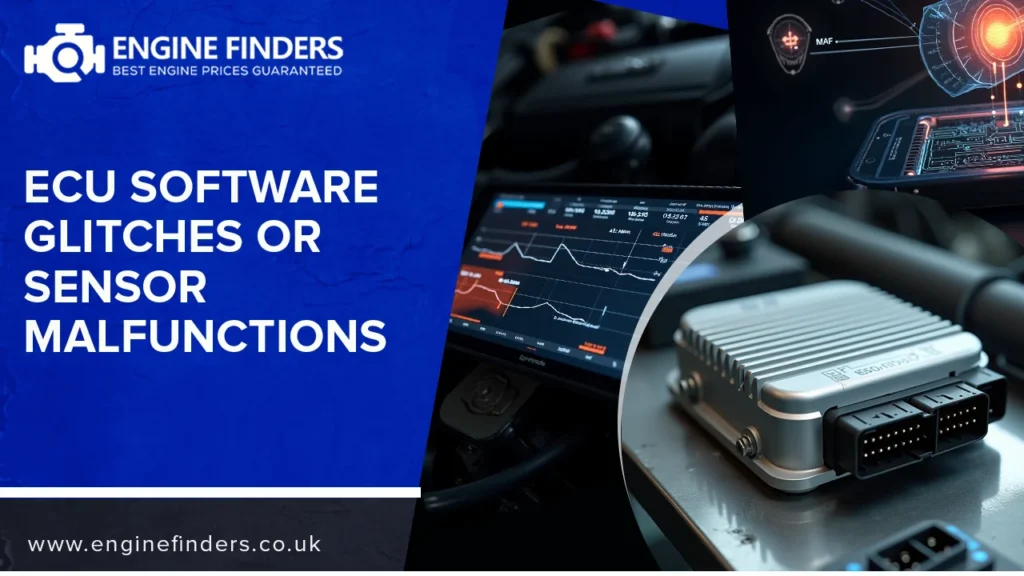
The P400’s engine control unit (ECU) constantly adjusts ignition timing, boost pressure, and fuel delivery. Faulty data from sensors like the:
- Mass Air Flow (MAF) sensor
- Oxygen (lambda) sensors
- Camshaft position sensor
Can trick the ECU into delivering incorrect fuel or spark, causing intermittent misfires. While hardware failures occur, outdated ECU software is a frequent but overlooked culprit. Land Rover issued several Technical Service Bulletins (TSBs) between 2019–2022 addressing misfire-related calibration issues.
Always ask your garage to perform an ECU health check and update before replacing mechanical parts. If you’re sourcing a replacement, ensure it’s compatible with your vehicle’s software – something suppliers on Engine Finders verify during matching.
How Much Does It Cost to Fix a P400 Misfire in the UK? (Real 2025 Pricing)
Repair costs vary dramatically based on root cause:
| Issue | Average UK Repair Cost | Labour Hours |
| Ignition coil & spark plug replacement | £350 – £600 | 2–3 hrs |
| Intake valve walnut blasting | £600 – £900 | 6–8 hrs |
| Fuel injector cleaning/replacement | £400 – £1,200 | 4–6 hrs |
| Full engine replacement (if damage occurs) | £5,500 – £8,500 | 15–20 hrs |
Warning: If misfires persist, unburnt fuel can overheat and destroy the catalytic converter – adding £1,500+ to your bill. Early intervention saves thousands.
For those considering replacement, Range Rover engines for the L494 are available with 12-month warranties, starting from £4,200 – far below main dealer quotes.
When Is a Reconditioned P400 Engine the Best Solution?
If your misfire has led to catastrophic damage – such as a holed piston or spun bearing – a reconditioned P400 engine may be more cost-effective than repeated repairs. Unlike used units from unknown sources, a professionally reconditioned L494 P400 engine includes:
- New piston rings, bearings, and gaskets
- Upgraded timing components
- Cleaned oil galleries and re-machined surfaces
- Full bench testing and 12-month warranty
At Engine Finders, you can compare verified UK suppliers offering direct-fit P400 engines for the L494 chassis. You can also explore options for related models like the Range Rover Sport Autobiography engine if your vehicle is a high-spec variant.
Explore your options: Range Rover Sport L319/L494 replacement engines include petrol, diesel, and hybrid variants with warranty-backed fitment.
Preventing Future Misfires in Your Range Rover Sport P400
Once repaired, protect your investment:
- Use premium 98 RON fuel consistently
- Replace ignition coils proactively at 50,000 miles
- Schedule intake cleaning every 60,000 miles
- Keep ECU software up to date via dealer or specialist
- Avoid frequent short trips (<2 miles) – they prevent full oil system regeneration
For more on maintaining modern Ingenium engines, see our guide to Range Rover Evoque engines, which share many components with the P400 and face similar carbon-related issues.
Final Thoughts: Don’t Ignore That Misfire Warning
A misfiring Range Rover Sport P400 isn’t just an annoyance – it’s a warning sign of underlying issues that can escalate quickly. With 78% of UK P400 owners reporting ignition-related faults by 70,000 miles (per Land Rover Owner surveys), staying ahead of wear is essential. Whether you opt for a targeted repair or a full reconditioned engine, choosing a warranty-backed solution ensures long-term reliability.
If you’re unsure whether to repair or replace, Engine Finders connects you with L494-specialist suppliers across the UK who offer free diagnostics advice. You can also compare engine types across the lineup – from the L319-era supercharged units to the latest MHEV systems – depending on your model year.
For official guidance on vehicle maintenance and emissions, refer to the UK Government’s MOT inspection manual and the Driver and Vehicle Standards Agency (DVSA) website.