As vehicle ownership becomes more expensive across the UK, drivers are increasingly looking for smarter, more affordable ways to keep their cars on the road. With the cost of new cars rising, electric vehicles still out of reach for many, and repairs getting pricier each year, one question is becoming more common in 2026:
Is it worth buying a reconditioned engine?
For many UK drivers, especially those with older or out-of-warranty vehicles, a reconditioned engine can look like the perfect solution. It costs far less than a brand-new car engine, is more reliable than a used engine, and often comes with a warranty. But is it the right choice long-term?
This in-depth guide explores everything you need to know before buying from the growing market of reconditioned engines UK, including costs, risks, benefits, legal considerations, and expert insights.
What Is a Reconditioned Engine?

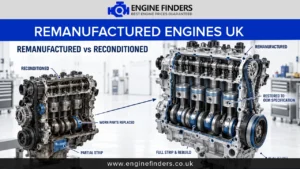
A Reconditioned Engine is a used car engine that has been fully stripped, cleaned, inspected, repaired, and rebuilt to meet specific performance standards. Unlike a standard used engine that is sold “as is,” reconditioned engines undergo a full technical restoration process.
During reconditioning, engineers typically:
- Replace worn pistons, bearings, and seals
- Regrind or replace the crankshaft
- Rebuild or replace the cylinder head
- Pressure test cooling systems
- Restore oil circulation systems
- Calibrate timing components
Reconditioned vs Used vs Rebuilt Engines
| Type | Condition | Warranty | Reliability |
| Used Engine | Removed from another car | Rare | Uncertain |
| Rebuilt Engine | Partially repaired | Limited | Moderate |
| Reconditioned Engine | Fully stripped and restored | Yes | High |
Reconditioned engines UK suppliers continue to close the reliability gap between used and brand-new car engines.
Why More UK Drivers Are Considering Reconditioned Engines in 2026

Several major trends are pushing drivers towards reconditioned engines UK services such as Engine Finders and specialist suppliers:
1. Rising Cost of New Engines
In 2026, replacing a modern petrol or diesel car engine in the UK can easily exceed £6,000–£12,000, excluding labour.
2. Keeping Older Cars on the Road
With tighter emissions rules and rising finance costs, many households are keeping cars longer instead of upgrading.
3. Faster Availability Than New Engines
New engines can take weeks or months to arrive due to global supply chains. Reconditioned engines UK suppliers can often deliver within days, especially through engine sourcing platforms such as Engine Finders.
4. Environmental Responsibility
Reusing a reconditioned engine reduces manufacturing emissions and raw material waste.
The 2026 UK Automotive Market Outlook
The UK car market in 2026 is shaped by:
- Slower EV adoption outside major cities
- Continued demand for petrol and diesel cars
- High insurance costs
- Parts shortages for certain models
- Rising labour costs at independent garages
Hybrid and electric vehicles are growing, but internal combustion car engines still dominate, particularly in rural areas, delivery fleets, and among budget-conscious drivers. Reconditioned engines UK demand continues to rise as a result.
Pros of Buying a Reconditioned Engine in 2026

1. Major Cost Savings
A reconditioned engine typically costs 40–60% less than a brand-new car engine.
2. Improved Reconditioning Standards
Modern reconditioning now uses CNC machining, advanced pressure testing, and digital diagnostics.
3. Warranty Protection
Most reputable reconditioned engines UK suppliers offer:
- 6-month warranty (basic)
- 12-month warranty (standard)
- 24-month warranty (premium)
4. Faster Installation
Reconditioned engines can often be fitted within a week compared to lengthy waits for new engines.
5. Reduced Depreciation Risk
Spending £3,000 on a reconditioned car engine is far safer than spending £10,000 on a new one in a £7,000 vehicle.
Cons and Risks to Consider
While the benefits are strong, reconditioned engines UK buyers should understand the risks:
- Lifespan uncertainty
- Variable workmanship
- Complex ECU compatibility
- Warranty limitations
Understanding the realistic reconditioned engine lifespan is crucial before purchase.
Cost Comparison in the UK (2026)
| Engine Type | Average Cost (2026) | Warranty | Typical Lifespan |
| Used Engine | £900 – £1,800 | None | 1–3 years |
| Reconditioned Engine | £2,500 – £4,500 | 6–24 months | 5–10 years |
| Brand-New Engine | £6,000 – £12,000 | 2–5 years | 10–15 years |
In most cases, the reconditioned engine lifespan offers the best value per mile for UK drivers.
When a Reconditioned Engine Makes Sense

A reconditioned engine is often the best financial decision when:
- Your car is out of the manufacturer’s warranty
- The car engine value still justifies repair
- You plan to keep the car for 4–8 more years
- You own a popular petrol or diesel model
- You run commercial fleets
Many UK buyers now start their engine search through platforms like Engine Finders to compare reconditioned engines from UK suppliers before they get a quote.
When It’s Better to Avoid a Reconditioned Engine
You should think twice if:
- Your car is less than 4 years old
- The car engine is performance-based
- You drive a hybrid or electric vehicle
- The repair cost exceeds the market value
How to Choose a Reliable Reconditioned Engine in the UK
✅ Company reputation
✅ Full component replacement list
✅ Compression testing
✅ Written warranty
✅ Correct car engine code
✅ UK supplier support
✅ Transparent pricing before you get a quote
Red Flags
🚩 No paperwork
🚩 No testing reports
🚩 No warranty
🚩 Unrealistic pricing
Legal, Insurance, and Registration Factors in the UK
- Update DVLA if engine numbers change
- Notify the insurance provider
- Pass MOT emissions
Failure to update modifications may invalidate cover.
Environmental Impact in 2026
Reconditioned engines UK adoption is lowering carbon emissions drastically. Compared to producing a brand-new car engine, reconditioning cuts emissions by up to 70%, extending the reconditioned engine’s lifespan while reducing raw material demand.
Expert Opinions and Industry Trends
Mechanics across the UK increasingly recommend reconditioned engines UK for diesel vans, taxis, and delivery fleets. Many buyers now source engines through Engine Finders to secure verified stock before they get a quote.
Final Verdict: Is It Worth It in 2026?
For most UK drivers, yes, buying a reconditioned engine is absolutely worth it in 2026 when:
- Your car is outside warranty
- You need affordable reliability
- You buy from trusted reconditioned engines UK suppliers
- You verify reconditioned engine lifespan expectations
It delivers:
✅ Lower cost
✅ Strong reliability
✅ Environmental responsibility
✅ Warranty protection
Frequently Asked Questions (FAQs)
1. How long does a reconditioned engine last?
A typical reconditioned engine lifespan ranges from 5–10 years with good maintenance.
2. Is a reconditioned engine better than a used engine?
Yes, a reconditioned engine is significantly more reliable than a standard used engine.
3. Can I insure a car with a reconditioned engine in the UK?
Yes, with full disclosure.
4. Do reconditioned engines affect resale value?
Properly documented, they often improve resale.
5. Are reconditioned engines safe for daily driving?
Yes, when fitted and serviced properly.
6. Are reconditioned engines tested before sale?
Yes, reputable reconditioned engines UK suppliers carry out full pressure testing.
7. Is it worth fitting a reconditioned engine into an old car?
Yes, if the body and transmission are sound.
8. Do suppliers offer finance options?
Yes, many now provide monthly payment plans.
9. Can I source a reconditioned engine online?
Yes, platforms like Engine Finders allow you to compare availability and get a quote quickly.
10. Does a reconditioned engine perform like new?
In most everyday driving conditions, yes.