The Jaguar S-Type, known for its classic design and refined performance, holds a special place in Jaguar’s storied lineup. Whether you’re a collector or an everyday driver, keeping this vehicle in peak condition means paying close attention to its engine. As these vehicles age, engine wear becomes inevitable—but that doesn’t mean the end of the road.
Instead of opting for a full replacement, many drivers choose a reconditioned engine. Rebuilding restores the heart of your vehicle and can be significantly more cost-effective. But how do you know a rebuilt engine is as good as a new one? This guide will take you inside the reconditioning process and explain how rebuilt Jaguar S-Type engines are tested for quality and longevity.
1. Understanding Engine Reconditioning
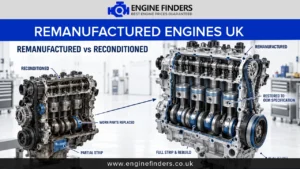
An engine reconditioning project is a thorough restoration process that transforms a used or failing engine into one that performs like new. It’s different from basic repairs, which fix only specific problems. Reconditioning involves a complete teardown and rebuild using a mix of original and new components.
This is especially relevant to older luxury vehicles like the Jaguar S-Type, Jaguar X-Type Engines, and even vintage Jaguar XK Engines. These models often experience wear after 100,000+ miles, making reconditioning a smart option over buying a used engine with unknown history.
2. Disassembly and Initial Inspection
Reconditioning begins with disassembly. Every bolt, bearing, and gasket is removed, cataloged, and cleaned. The engine block is examined for cracks, warping, and corrosion using precision instruments. Issues like worn piston rings, damaged crankshafts, or leaky valve seals are all uncovered at this stage.
This step is crucial for all models in the Jaguar lineup—from performance-focused Jaguar F-Type Engines to everyday workhorses like the Jaguar XE Engines.
3. Cleaning and Machining
Once dismantled, every component is cleaned with chemical baths, ultrasonic cleaners, and pressure washers. This eliminates sludge, carbon buildup, and debris.
After cleaning, critical engine parts are machined to restore exact OEM tolerances. This includes:
- Honing cylinder bores for tight piston ring fit
- Grinding crankshaft journals
- Resurfacing cylinder heads
This process is identical for more modern vehicles too, such as Jaguar E-Pace Engines or the hybrid-electric Jaguar I-Pace Engines, which rely on precision to maintain efficiency.
4. Replacement of Worn Parts
Even well-maintained engines require new components during a rebuild. High-friction parts like pistons, rings, and bearings are always replaced. New gaskets and seals prevent future leaks, and timing components are refreshed to ensure long-term reliability.
Only high-quality or OEM components are used—particularly important for luxury models like the Jaguar XF Engines. If you’re curious about model-specific advice, you might want to read: Which Jaguar XF Engine Is Best to understand your options during a rebuild.
5. Engine Reassembly
Once machining is complete and new parts are sourced, the engine is reassembled with extreme precision. This takes place in clean environments to prevent contamination. Torque specs are followed meticulously, and all moving parts are lubricated to protect against wear during the engine’s first start.
Reassembly is similar across the Jaguar lineup and can be adapted for other models like Jaguar XJ Engines, which often share design traits with the S-Type.
6. Bench Testing and Dyno Testing
Once reassembled, the engine undergoes bench testing to verify it spins freely and builds compression. Then, many rebuilders use dynamometers to simulate real driving conditions.
Dyno testing evaluates:
- Horsepower and torque
- Compression ratio balance
- Oil pressure and temperature
- Noise and vibration levels
Dyno validation is a crucial part of the rebuild process, whether it’s a Jaguar F-Pace Engine or a classic Jaguar XK Engine under test.
7. Leak Testing and Diagnostics
A series of leak and diagnostic tests are performed next. These include:
- Coolant pressure tests to detect head gasket issues
- Oil system pressure tests for lubrication assurance
- Vacuum leak tests for intake integrity
In electronically complex models like the Jaguar I-Pace, additional diagnostics ensure sensor compatibility and error-code resolution.
8. Quality Control and Final Inspection
Quality control is the final step. Here, a lead technician or rebuild manager signs off on a full inspection checklist. Every torque spec, clearance, and measurement is recorded.
Some engine specialists, like those found via platforms like Engine Finders, even offer build sheets with detailed component history and test results.
This thorough inspection guarantees peace of mind whether you’re buying for a Jaguar or for a Range Rover engine rebuild cost comparison.
9. Warranty and Certification
A quality reconditioned engine should come with a robust warranty. Jaguar rebuilds often include 12–36 month warranties depending on mileage and vehicle use. Engines rebuilt to ISO or AERA standards often qualify for certification, ensuring the highest build quality.
Certified engines are particularly valuable if you’re restoring or maintaining collector-worthy vehicles like the Jaguar XJ, Jaguar XK, or even Jaguar & Land Rover Engines History models.
If you’re comparing options, always ask to Get a Quote to understand what’s included with the engine and how it compares to a used engine in both cost and reliability.
Conclusion
Reconditioning a Jaguar S-Type engine involves far more than replacing parts—it’s a rigorous process focused on restoration, precision, and quality assurance. Each stage, from teardown to dyno testing, is carefully managed to ensure long-term performance and reliability.
Whether you’re rebuilding your Jaguar XF, restoring a vintage Jaguar X-Type, or weighing options for a car engine replacement, knowing the reconditioning and testing process helps you make smarter choices.
If you’re ready to start, consult a reputable provider and get a quote tailored to your model and driving needs. Choosing a professionally rebuilt engine not only saves money—it preserves the spirit of your Jaguar for miles to come.