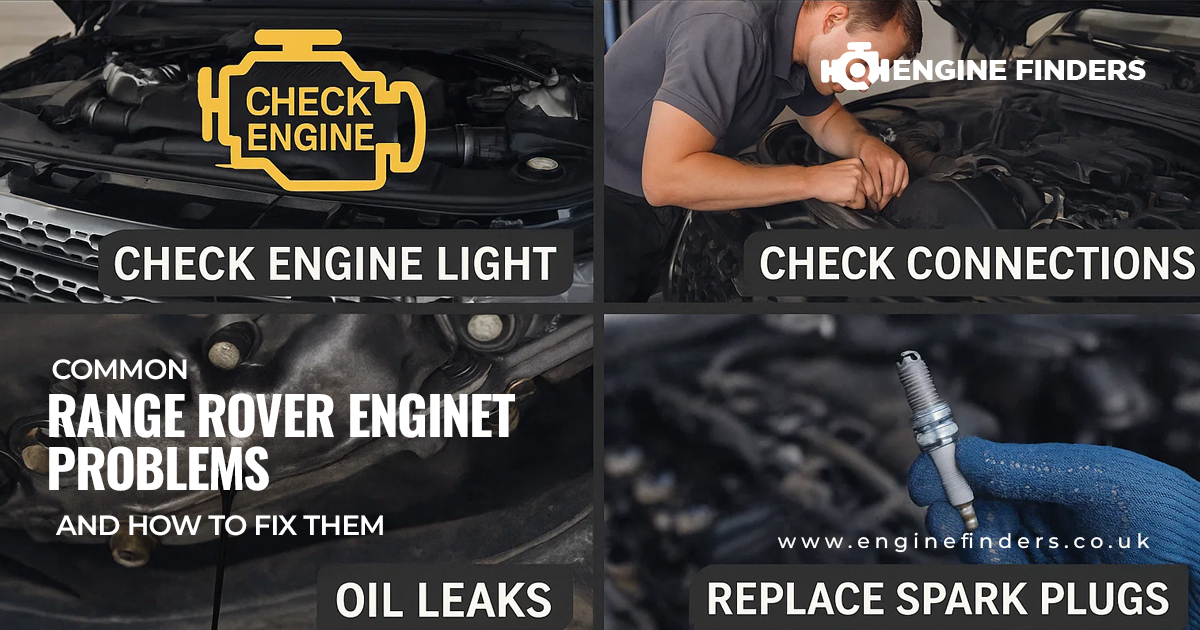
Range Rover has long been synonymous with luxury, off-road capability, and cutting-edge engineering. With a reputation for producing high-performance vehicles that seamlessly blend elegance and power, it’s no surprise that many car enthusiasts choose Range Rovers for both urban and rugged adventures. However, as with any vehicle, maintaining engine health is crucial for ensuring longevity and optimal performance.
While Range Rover vehicles are designed to last, their complex engines can experience issues over time if not properly cared for. Engine problems, although relatively rare, can arise in any of the Range Rover Models and may require specific attention. This blog will provide an in-depth look at the most common engine issues that Range Rover III & IV Engines, Range Rover Sport Engines, Range Rover Evoque Engines, Range Rover Velar Engines, and other Range Rover variants might face, along with practical solutions for each.
Why Range Rover Engines Are Prone to Issues

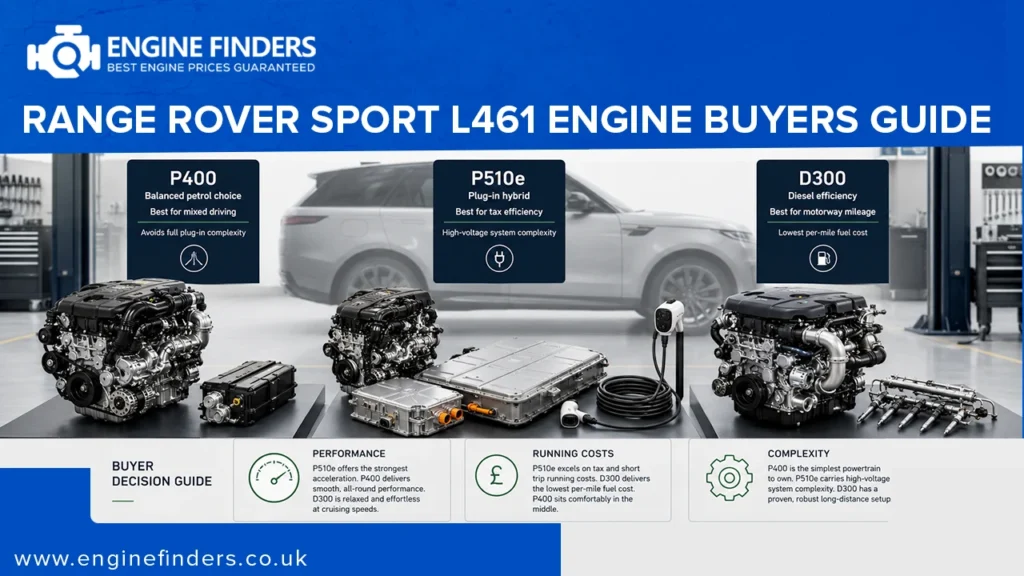
Range Rover’s high-performance engines are packed with advanced technology. The complexity of these Car Engines makes them incredibly capable but also susceptible to wear and tear over time. These engines are designed for more than just everyday driving; they must handle intense off-road conditions, towing, and long-distance driving, which can lead to quicker degradation in certain components. Moreover, the Range Rover SVR Engine and other high-performance engines often push the limits of power, requiring careful maintenance to avoid breakdowns.
The variety of Range Rover Models, from the rugged Land Rover Discovery to the performance-oriented Range Rover Sport Engines, means each model may have unique engine characteristics and challenges. Regular maintenance and addressing issues as soon as they arise is key to keeping these advanced engines running smoothly.
Common Range Rover Engine Problems
As a high-performance vehicle, the Range Rover Sport Engines and similar models may face some engine-related issues that require prompt attention. Here’s a closer look at some of the most common engine problems you might encounter with your Range Rover, their causes, symptoms, and solutions.
A. Engine Misfires
Symptoms: Rough idling, hesitation during acceleration, or the check engine light turning on.
Causes: Engine misfires are most commonly caused by faulty spark plugs, ignition coils, or fuel injectors. These components are critical for the combustion process, and failure in one of them can cause poor engine performance.
How to Fix: Diagnosing the misfire requires running a diagnostic test using an OBD-II scanner. Once the faulty part is identified, replacing the spark plugs, ignition coils, or fuel injectors should resolve the issue. Regular maintenance and part replacement at recommended intervals will help prevent this issue. If you’re dealing with Reconditioned Engines or Used Engines, make sure these parts are in good condition before purchasing.
B. Overheating Issues
Symptoms: Rising temperature gauge, engine warning light, or steam coming from under the hood.
Causes: Overheating often stems from coolant leaks, a malfunctioning radiator, or a faulty thermostat. Any failure in the cooling system can lead to engine damage.
How to Fix: If your Range Rover is overheating, first check the coolant level. If the coolant is low, top it up, but inspect for leaks. If there are no leaks, but the engine continues to overheat, the radiator or thermostat may need to be replaced. Using the right coolant for your Range Rover Models and ensuring your cooling system is in top condition is essential.
C. Oil Leaks
Symptoms: Oil spots beneath the vehicle or consistently low oil levels.
Causes: The most common causes of oil leaks include worn gaskets or seals, or damage to the oil pan. If these components deteriorate, oil will escape and can lead to engine damage.
How to Fix: If oil leaks are found, the affected gaskets or seals must be replaced. Depending on the severity of the damage, the oil pan may need to be repaired or replaced as well. Regularly checking oil levels and inspecting the engine for oil leaks is critical for the health of your Range Rover Evoque Engines or other Range Rover engines.
D. Turbocharger Failure
Symptoms: A loss of power, poor acceleration, or the check engine light coming on.
Causes: Oil contamination or faulty boost control valves are common causes of turbocharger failure. The turbocharger relies on clean oil to function correctly, so any oil contamination can lead to damage.
How to Fix: A failing turbocharger should be replaced. Before installing a new turbo, ensure that the oil supply is clean, and replace any contaminated oil. Regular oil changes are critical for preventing turbocharger failure in Range Rover Sport Engines and Range Rover Velar Engines.
E. Timing Chain Issues
Symptoms: Rattling noises from the engine, engine misfires, or rough idling.
Causes: Over time, the timing chain can wear down, causing misalignment between the camshaft and crankshaft. This can result in a variety of engine performance issues.
How to Fix: Replacing the timing chain is the only solution. If the chain has worn too much, it will need to be completely replaced. Timing chain issues are more complex and often require a professional mechanic to perform the repair.
F. Low Engine Compression
Symptoms: Difficulty starting the engine, loss of power, or rough idling.
Causes: Worn piston rings, valve seals, or head gasket failure can cause low engine compression. When these components wear out, the engine loses its ability to create the necessary compression for proper combustion.
How to Fix: A compression test will help determine which components are failing. Depending on the results, the piston rings, valve seals, or head gasket may need to be replaced. Low compression issues are complex and should be handled by a qualified mechanic.
Preventative Measures to Avoid Engine Problems

While some engine problems are inevitable over time, many can be prevented with regular maintenance. Here are a few preventative measures to keep your Range Rover’s engine running at its best:
- Regular Oil Changes: Ensure you’re using high-quality oil and changing it according to the manufacturer’s recommendations. This will help keep your engine in peak condition.
- Inspect the Cooling System: Check the radiator, coolant levels, and thermostat regularly. Keeping your cooling system in good working condition can prevent overheating and costly repairs.
- Maintain the Turbocharger: Regular oil changes and cleaning the air intake system can help prevent turbocharger failure.
- Engine Diagnostics: Always pay attention to your engine’s warning lights. If any lights appear, it’s crucial to perform diagnostics and address any issues promptly.
- Quality Fuel: Use only high-quality gasoline and avoid letting the fuel tank run too low. Poor-quality fuel can lead to carbon buildup and misfires.
For owners of Range Rover Evoque Engines or other Range Rover models with turbocharged engines, it’s especially important to stay on top of oil changes and air intake maintenance.
When to Seek Professional Help
While DIY repairs can resolve many issues, some problems—especially those related to the turbocharger, timing chain, and engine compression—require professional diagnostics and repair. If you’re experiencing complex engine issues, such as turbocharger failure or low compression, it’s best to consult with a certified Range Rover mechanic.
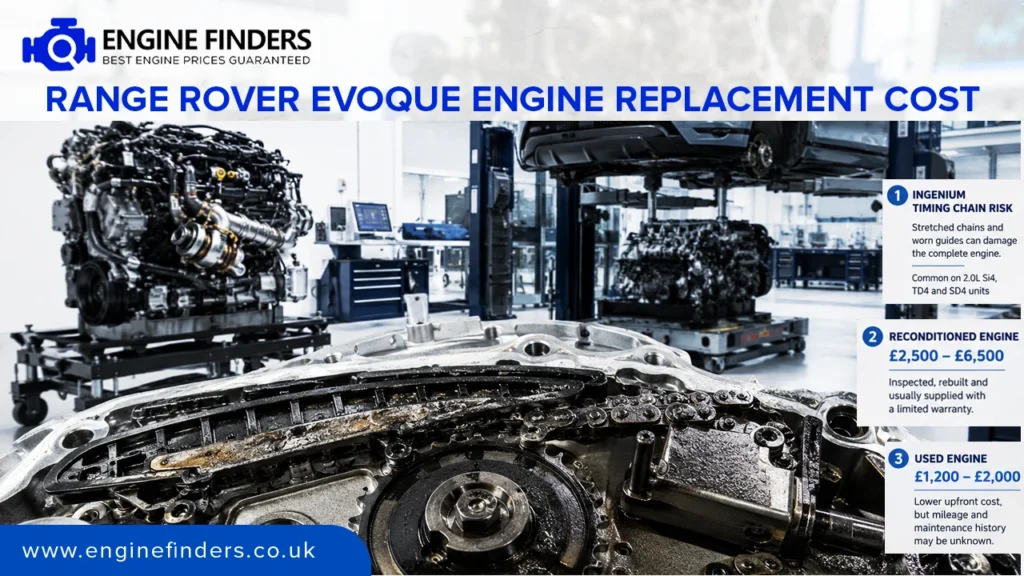
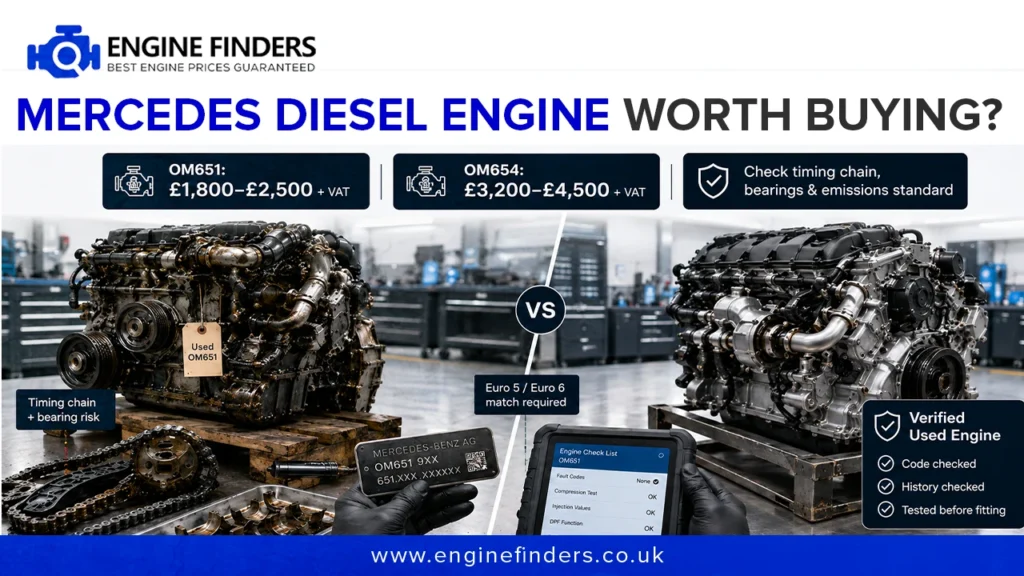
If you’re considering buying Used Engines or Reconditioned Engines for your Range Rover, be sure to choose a reputable supplier that provides warranties and quality assurance. Installing a subpar engine could lead to even more issues down the road.
Get a Quote to Buy a New or Used Range Rover Engine
If you’re facing engine issues with your Range Rover, such as overheating, oil leaks, or turbocharger failure, it may be time for a replacement. Instead of dealing with constant repairs, consider purchasing a new or used Range Rover Engine. Whether you need a high-performance Range Rover SVR Engine or a reliable Reconditioned Engine, we offer a variety of options tailored to your vehicle’s needs. Don’t let engine troubles disrupt your driving experience Get a Quote today and restore your Range Rover’s performance quickly and efficiently. Get back on the road with confidence!
Conclusion
Maintaining the health of your Range Rover Models, whether it’s the powerful Range Rover SVR Engine or the more practical Land Rover Discovery, is essential for preserving its performance and longevity. From oil leaks to overheating issues, understanding the common engine problems that may arise will help you keep your vehicle in top shape.
If you ever find yourself dealing with complex engine issues, don’t hesitate to consult with a professional mechanic. By staying on top of maintenance and catching problems early, you can keep your Range Rover running smoothly for years to come.
Additionally, if you’re faced with an engine failure or need to replace your engine, consider the Range Rover Engine Rebuild Cost or Cost to Replace Your Range Rover Engine as part of your decision-making process. Sometimes opting for Engine Finders can help you locate a reliable replacement engine for your vehicle.
For those with specific needs or looking for high-performance solutions, checking out Range Rover SVR Engine and other specialized engines might be the way to go.