If you own a Land Rover Discovery 4 TDV6 (2010–2016), has your dashboard lit up with persistent EGR or DPF warning lights – or worse, has your engine gone into limp mode on the motorway? You’re not alone. This is a well-documented Achilles’ heel of the 3.0-litre TDV6, where clogged emissions systems can trigger cascading failures, from turbo damage to complete engine seizure. Ignoring it isn’t an option – but neither is blindly trusting “quick fix” garages that risk your MOT and insurance.
Why TDV6 Owners Delete EGR/DPF and the Legal Tightrope
The Land Rover Discovery 4’s 3.0-litre TDV6 diesel engine (engine codes: AJV6, 508PN, 508PP) is a torque-rich powerhouse, beloved for its off-road capability and towing prowess. But its Achilles’ heel? The Exhaust Gas Recirculation (EGR) valve and Diesel Particulate Filter (DPF) in Discovery 4 under UK driving conditions (short trips, stop-start traffic), become ticking time bombs.
The EGR valve recirculates hot, soot-laden exhaust gases back into the intake manifold to reduce NOx emissions. Over time, this carbon sludge gums up the valve, cooler, and intake ports, leading to rough idling, power loss, and critically, EGR cooler failure, which can dump coolant into the cylinders and hydrolock the engine. The DPF, designed to trap soot particles, requires frequent “regeneration” cycles (high-speed driving) to burn off accumulated soot. Miss a few cycles, and the filter clogs, triggering limp mode, reduced fuel economy, and potentially catastrophic backpressure that can crack turbos or pistons.
For many owners, physically removing or bypassing these components and remapping the ECU to ignore their presence appears to be the only permanent solution. And while forums like LandyLife are flooded with success stories, they’re equally littered with horror tales of failed MOTs, voided insurance, and hefty fines. The truth? It’s a legal tightrope. Under UK law, removing emissions equipment from a vehicle that was type-approved with it is illegal, as per the Road Vehicles (Construction and Use) Regulations 1986. However, enforcement is patchy, and MOT testing procedures have specific, often misunderstood, tolerances. This guide cuts through the noise.

UK MOT 2025 Rules: What Inspectors Actually Check (DVSA Official Stance)
Forget forum myths. The only authority that matters is the Driver and Vehicle Standards Agency (DVSA), which sets the MOT testing manual. As of 2025, here’s what an MOT tester is legally required to check regarding your Discovery 4’s emissions system:
1. Visual Presence: The tester must visually confirm that the DPF is present on vehicles that were originally fitted with one. They are not required to inspect its internal condition or measure its efficiency. If the DPF housing is physically missing, it’s an automatic fail.
2. Smoke Test: The tester will perform a simple opacity smoke test. If the vehicle emits visible smoke of any colour (black, blue, white) during the test, it fails. A properly executed EGR/DPF delete with a quality remap should result in cleaner exhaust emissions (less black smoke) than a malfunctioning stock system.
3. MIL (Engine Management Light): If the Engine Management Light (EML) is illuminated for any reason related to emissions (e.g., P0401 EGR Flow, P2002 DPF Efficiency), it’s an automatic MOT fail. This is the critical point: a delete must be accompanied by an ECU remap that suppresses these specific fault codes.
The grey area? Many “delete specialists” leave the DPF housing in place (gutting the internal filter) and ensure the EGR cooler and valve are physically present but bypassed or blanked off. This satisfies the “visual presence” rule. Combined with a clean smoke test and a remap that kills the EML, this setup can pass an MOT – but it’s technically still non-compliant with construction and use regulations. The risk lies in roadside checks by VOSA or police, who can issue a Prohibition Notice if they determine the vehicle has been illegally modified.
Step-by-Step: Legal Delete Process That Won’t Void Insurance or Fail MOT
There is no truly “legal” way to delete emissions equipment on a road-registered vehicle in the UK. However, there is a compliant process that minimises risk and maximises your chances of passing the MOT and keeping your insurance valid. Here’s the responsible approach:
1. Choose a Reputable, Specialised Garage
This is non-negotiable. Avoid “backstreet” tuners. Look for garages that specialise in Land Rovers and explicitly advertise “MOT-compliant emissions solutions.” They should understand the DVSA manual inside out. Ask if they leave the DPF housing intact and can provide before/after smoke test results. <<< You can find vetted specialists offering engine supply and fit in Bristol and nationwide through platforms that connect you with qualified suppliers. >>>
2. The Physical Work:
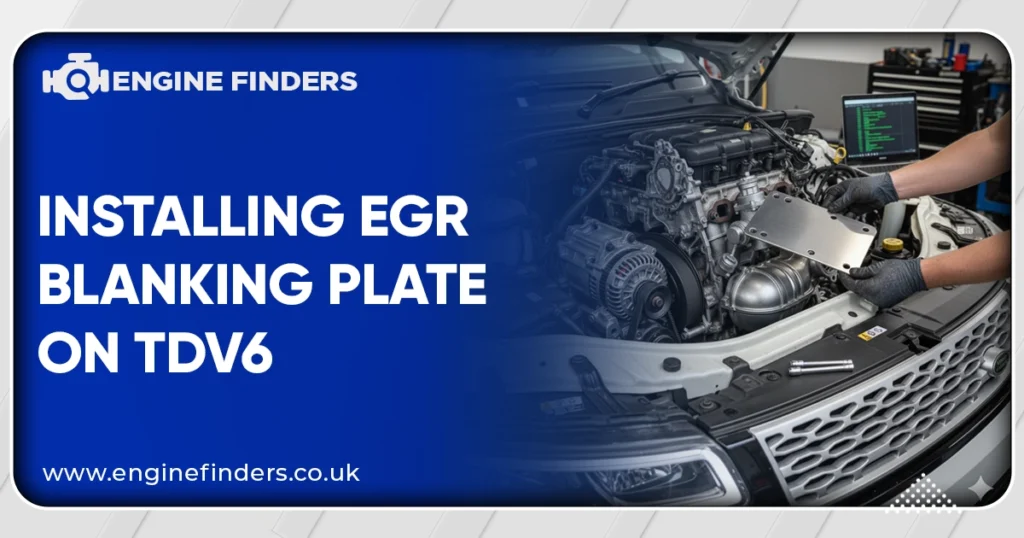
EGR: The EGR valve and cooler are typically removed. The coolant and exhaust ports are sealed with high-quality blanking plates. The EGR cooler bypass is often recommended to prevent future coolant leaks into the engine bay.
DPF: The DPF unit is removed from the exhaust. Crucially, the outer metal housing is often reinstalled (empty) to pass the MOT visual check. The exhaust is then reassembled.
The ECU Remap (The Most Critical Step): A generic “DPF off” file won’t cut it. You need a custom or stage-specific remap from a reputable tuner (e.g., Superchips, Celtic Tuning, Allard) that:
- Disables EGR valve operation and associated fault codes (P0401, P0403, etc.).
- Disables DPF regeneration cycles and associated fault codes (P2002, P2463, etc.).
- Adjusts fuelling and turbo boost maps to compensate for the lack of backpressure, often resulting in smoother power delivery and better fuel economy (typically 5-10 mpg improvement, or 2-4 L/100km reduction).
- Ensures the Engine Management Light (EML) remains off under all driving conditions.
3. Post-Installation Checks
Demand a full diagnostic scan to confirm no emissions-related fault codes are present. Ask for a printout of a smoke opacity test showing results well below the legal limit (typically <1.5m-1 for diesels).
4. Insurance Declaration:
This is the ethical and legal imperative. You must inform your insurer of any modification, including an ECU remap. Failure to do so can void your policy. Some insurers (e.g., Adrian Flux, Lancaster) are more sympathetic to “performance” or “reliability” mods than others. Be upfront: describe it as an “ECU remap for improved drivability and reliability,” not a “delete.”
Remapping After Delete: Safe Power Gains & Engine Longevity Tips
A delete without a proper remap is like removing the parking brake and expecting the car to drive better – it won’t. The remap is where the magic happens, transforming a potentially illegal mod into a reliable, efficient, and powerful upgrade.
- Power & Torque Gains: A well-executed TDV6 remap post-delete can unlock 270-300 bhp and 550-650 Nm of torque, up from the stock 245-258 bhp and 600 Nm. This isn’t just about speed; it’s about effortless overtaking and towing.
- Fuel Economy: As mentioned, expect a 10-20% improvement in MPG. The engine no longer wastes fuel on regens or struggles against a clogged DPF. Real-world reports often cite 30-35 mpg (7.8-6.7 L/100km) on motorway runs, up from 25-28 mpg (9.4-8.5 L/100km).
- Engine Longevity: This is the biggest benefit. By eliminating the root cause of EGR cooler failures (which can destroy an engine) and DPF-induced turbo stress, you’re significantly extending the life of your TDV6. Ensure your remap is from a reputable source; a poorly tuned map that runs too lean or with excessive boost can cause premature wear.
- Choosing a Remap: Opt for a “Stage 1” or “Economy” map if you prioritise reliability and fuel savings. A “Stage 2” map offers more power but may require upgraded intercoolers or injectors for long-term safety. Always ask for a dyno graph and customer testimonials.

Can You Use a Reconditioned TDV6? Pre-Delete Engine Prep & Warranty Terms
Absolutely. In fact, starting with a fresh, reconditioned engine is the smartest way to approach an EGR/DPF delete. Why? Because you’re building on a known-good foundation, free from the hidden carbon damage and wear that plagues high-mileage TDV6s.
A reputable reconditioned engine supplier will rebuild your TDV6 to OEM specifications, replacing worn bearings, seals, gaskets, and often the timing chain and tensioners – another known weak point. Crucially, you can request that the engine be prepped for a delete setup:
- Pre-Blanked: Ask the rebuilder to install EGR blanking plates before the engine leaves their workshop.
- Delete-Ready ECU: Some suppliers offer the engine with a pre-installed, delete-specific ECU map, saving you a step.
- Warranty Considerations: This is critical. Most standard engine warranties will be voided if the engine is modified with an EGR/DPF delete and remap. However, some specialist suppliers understand the market and offer tailored warranties. You must disclose your intentions upfront. Ask specifically: “Do you offer a warranty on a reconditioned TDV6 if it will be used with an EGR/DPF delete and remap?” Some may offer a reduced-term warranty (e.g., 6 months) or exclude certain components, but having some coverage is better than none. When sourcing a reconditioned TDV6 with delete ready, ensure you clarify warranty terms with the supplier before purchase.
Engine Finders: Connect with UK Garages Offering Delete + Supply & Fit + Warranty
Navigating the world of emissions deletes, finding a trustworthy garage, and sourcing a reliable engine can feel overwhelming. This is where Engine Finders simplifies the process. We connect you with a nationwide network of vetted UK engine suppliers and specialist garages who understand the unique needs of Land Rover Discovery 4 TDV6 owners.
Instead of calling around blindly, you can:
- Compare Quotes: Get competitive, transparent quotes from multiple suppliers for a brand-new, reconditioned, or even a pre-delete-prepped TDV6 engine.
- Find Specialists: Connect with garages that not only supply the engine but also offer the full “supply and fit” service, including the physical delete work and the crucial ECU remap, all under one roof.
- Secure Warranty: Our suppliers offer warranties ranging from 12 months to 2 years on reconditioned engines. While a delete may affect standard terms, our network includes specialists who can discuss and potentially offer tailored warranty options for modified setups.
- Nationwide Service: Whether you’re in Bristol, Manchester, or Edinburgh, we can help you find a local expert.
Conclusion: Take Back Control of Your Discovery 4
The EGR and DPF systems on your Discovery 4 TDV6 are not just inconvenient; they’re expensive, reliability-killing liabilities. While the legal landscape is complex, a carefully planned, professionally executed delete and remap, performed by a specialist who understands MOT compliance, can transform your ownership experience – delivering better performance, improved fuel economy, and most importantly, peace of mind that your engine won’t self-destruct.
Don’t gamble with your investment or your safety. If you’re considering this route, or if your TDV6 is already showing signs of failure, take the next step. Use Engine Finders to compare quotes from our network of vetted UK suppliers. Whether you need a robust reconditioned engine, a specialist garage for the delete and remap, or a full supply-and-fit package with a tailored warranty, we’ll help you find the best, most reliable solution to get your Discovery 4 back on the road – and keep it there. Get your free, no-obligation quote today and save up to 60% compared to main dealer prices.
FAQS: Insurance Declaration, Roadside Checks, and Engine Code Logging
Do I have to tell my insurance company about the EGR/DPF delete and remap?
Yes. Failure to declare a modification is grounds for your insurer to void your policy in the event of a claim. Describe it as an “ECU remap for enhanced reliability” to frame it positively. Specialist insurers are often the best route
What happens if I get stopped by police or VOSA?
If an officer suspects an illegal modification, they can issue a Prohibition Notice, preventing you from driving the vehicle until it’s made road-legal. They may also fine you. Having documentation from your garage showing the DPF housing is present and a clean smoke test can help, but it doesn’t guarantee immunity.
Will the MOT tester log my engine’s ECU map or report the delete?
No. MOT testers follow a strict visual and functional checklist. They do not have the equipment or mandate to “read” your ECU map or report modifications unless they cause a visible fault (like a missing DPF housing or an illuminated EML).
Can I reverse the delete if I need to sell the car?
Yes, but it’s costly and complex. You’d need to reinstall the original EGR components and DPF, then revert to the stock ECU map. It’s often more practical to sell the vehicle as-modified to an enthusiast who understands and wants the setup.
What’s the typical cost for a full delete and remap?
Expect to pay £500 – £1,000 for the physical delete work and a further £400 – £800 for a professional, custom ECU remap. If you’re also replacing the engine, factor in the cost of a reconditioned TDV6, which can range from £2,500 to £4,500 depending on specification and warranty.