When considering the purchase of a second-hand or replacement engine for your BMW 316d, it’s important to ensure you’re getting a reliable and high-performance component. The BMW 316d is known for its fuel efficiency, sleek design, and enjoyable driving experience. However, over time, like all vehicles, it can suffer from wear and tear, requiring an engine replacement. This comprehensive guide will walk you through the essentials of finding reliable BMW 316d engines for sale, from understanding the engine’s specifications to knowing where to find the best deals.
BMW has long been associated with luxury, performance, and precision engineering. Among its range of vehicles, the BMW 316d stands out as an excellent option for those looking for a combination of economy and performance. However, even the most reliable cars eventually face engine issues that necessitate replacement. Whether you’re looking to replace a damaged engine or upgrade your vehicle, it’s crucial to buy a reliable BMW 316d engine. In this guide, we’ll explore the factors to consider when purchasing a BMW 316d engine, ensuring you make an informed decision.
Understanding the BMW 316d Engine
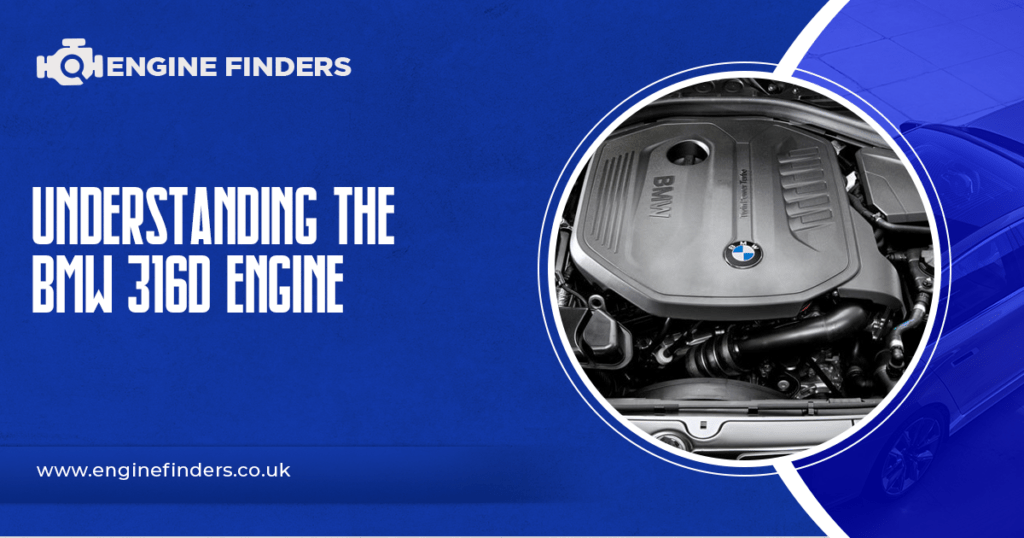
The BMW 316d is part of BMW’s 3 Series lineup, known for its efficient four-cylinder diesel engine. Understanding the engine’s specifications is key to ensuring that you choose the right replacement engine.
- Engine Specs: The BMW 316d typically comes with a 2.0-liter four-cylinder engine, which produces around 114 horsepower and 270 Nm of torque. It is known for its fuel efficiency, averaging 60 mpg, making it a popular choice for those seeking lower running costs.
- Common Engine Codes: BMW 3 Series engines have different codes depending on the year and specific variants. It’s important to know the engine code to ensure compatibility with your vehicle, whether you’re looking at a reconditioned BMW 420d engine UK or a reconditioned BMW 116d engine.
- Performance: Despite its smaller engine size, the 316d offers a satisfying driving experience with smooth acceleration and excellent handling. It is ideal for those who prioritize fuel economy without sacrificing too much in terms of driving dynamics.
- Engine Variants: Over the years, BMW has made slight tweaks to the 316d engine for better performance and emissions control. Depending on the production year, there may be slight differences in the engine’s efficiency, power output, and emissions standards.
Common Reasons for Replacing a BMW 316d Engine
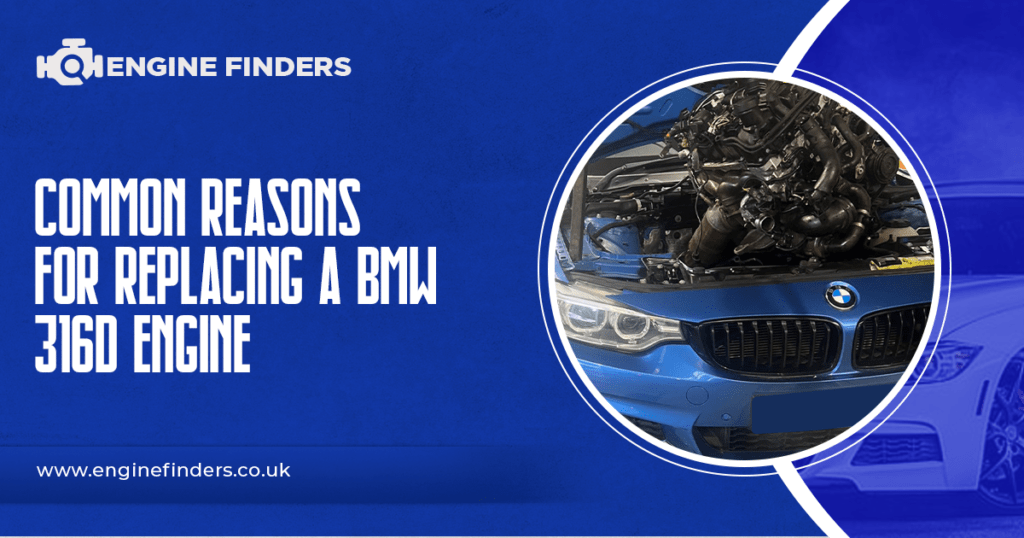
Understanding why an engine replacement may be needed is important, as it will help guide your buying decision. Here are some of the most common reasons for needing to replace a BMW 316d engine:
- High Mileage: As the 316d engine ages and accumulates high mileage, it can start to show signs of wear and tear. Engines in other BMW models, like the BMW 535d engine or BMW 1 Series engines, experience similar issues when the vehicle reaches high mileage. Engine failure might become inevitable if the car is driven for too long without sufficient maintenance.
- Turbocharger or Timing Chain Issues: BMW’s diesel engines are known for their turbocharged units. If the turbocharger fails or the timing chain wears out, it can lead to significant engine damage. Similar issues are commonly seen in the BMW M3 engines or BMW X5 engines, as these vehicles also use turbocharged powertrains.
- Overheating and Cylinder Head Damage: Overheating is a major issue that affects engines across BMW’s range. Whether you’re dealing with a BMW X1 engine or a BMW M5 engine, engine blocks or cylinder heads may warp, leading to severe damage. If your BMW 316d engine has been overheating, it may be time to replace it.
- Accident Damage: If your vehicle has suffered significant damage in an accident, the engine could be beyond repair. This situation is not uncommon for high-performance models like the BMW M6 engines or BMW 2 Series engines, which often sustain severe impacts.
Types of BMW 316d Engines for Sale

When looking for a BMW 316d engine, there are different types available on the market. It’s important to understand the pros and cons of each option before making your purchase.
- Brand-new OEM Engines: Original Equipment Manufacturer (OEM) engines are new and have been built according to the manufacturer’s specifications. They tend to be the most expensive option, but they come with the peace of mind of knowing the engine is brand new and has never been used.
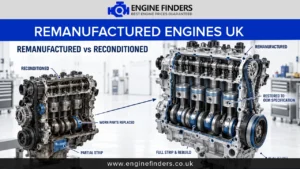
- Reconditioned / Remanufactured Engines: These engines are often sourced from used vehicles and then completely rebuilt to a like-new condition. This type of engine provides a more affordable alternative to new engines while offering a good balance of reliability and performance. A reconditioned BMW 116d engine or a reconditioned BMW 420d engine UK might be excellent choices if you are looking for a cost-effective replacement.
- Used / Second-hand Engines: A second-hand engine is one that has been removed from another vehicle, usually with higher mileage. While more affordable, these engines come with some risk. It’s essential to inspect the engine thoroughly before purchase. If you’re considering a used engine, make sure you ask for a detailed report on its condition and any prior issues.
- Performance-upgraded Engines: Some buyers might opt for a performance upgrade when replacing their engine. These engines have been modified to improve power output, torque, or fuel efficiency. This is a popular option for enthusiasts of models like the BMW M8 engines or BMW 6 Series engines.
How to Identify a Reliable BMW 316d Engine Supplier

Finding a reliable supplier is critical to ensuring the engine you buy is in good condition and worth your investment. Here are key factors to look for when choosing a supplier:
- Customer Reviews and Ratings: One of the best ways to evaluate a supplier is by looking at reviews from past customers. Positive feedback can indicate that they offer high-quality products and good customer service. Whether you are buying a BMW I Series engine or a BMW 4 Series engine, ensure the supplier has a track record of reliability.
- Certifications and Warranties: Trusted suppliers will often offer certifications and warranties for the engines they sell. A warranty protects you from purchasing a faulty engine and provides peace of mind, especially if you’re investing in a reconditioned engine.
- Engine History Transparency: Reliable suppliers provide detailed information about the engine’s history, including mileage, service records, and whether it has been involved in any accidents. Whether you’re purchasing BMW X3 engines or BMW Z Series engines, ask for these details.
- After-sales Support: Look for a supplier who offers excellent after-sales support, including fitting services or guidance if you choose to install the engine yourself. Many reputable dealers also provide help with sourcing replacement parts such as BMW engine oil and other maintenance items.
Key Factors to Consider Before Buying
Before purchasing a BMW 316d engine, consider the following key factors:
- Compatibility: Ensure the engine you’re purchasing is compatible with your BMW 316d model. The engine should match your vehicle’s production year and be suited for the specific variant (e.g., diesel or petrol). If you need to replace a BMW 3 Series engine with one from another model, confirm that it will fit correctly.
- Mileage and Service History: Engines with lower mileage are generally preferred, as they have undergone less wear. Additionally, verify the service history to ensure the engine has been well-maintained and hasn’t faced major repairs.
- Warranty Coverage: The warranty is essential, especially when buying a used or reconditioned engine. A reliable warranty gives you protection against unexpected failures, especially for used engines.
- Price: Be sure to compare prices across different suppliers. While you don’t want to overpay, opting for the cheapest engine can be risky if it doesn’t meet your quality standards. It’s worth getting a quote for the engine to ensure you’re getting a competitive price.
- Installation Options: Some suppliers may offer installation services, which can save you time and effort. It’s also worth considering the costs and convenience of having the engine professionally fitted.
Cost of BMW 316d Engines

The cost of a BMW 316d engine can vary significantly based on several factors:
- Brand-new Engines: These can cost anywhere between £3,000 to £6,000 or more, depending on where you purchase them and whether they are OEM.
- Reconditioned Engines: Reconditioned BMW 116d engines or similar reconditioned models generally range from £1,500 to £4,000, depending on the condition and the extent of the refurbishments.
- Used Engines: Used engines are the most affordable option, typically ranging from £500 to £2,000. However, the condition will greatly affect the price, so it’s important to inspect the engine before buying.
- Additional Costs: Don’t forget to factor in installation costs, which can range from £500 to £1,000. Delivery charges and VAT may also apply, adding to the overall cost.
Where to Find BMW 316d Engines for Sale
When searching for a reliable BMW 316d engine, here are some potential sources:
- Authorised BMW Dealerships: Dealerships can provide new and reconditioned OEM engines, ensuring compatibility with your vehicle. They may be more expensive, but the benefit is peace of mind.
- Independent Specialist Suppliers: Many independent shops specialize in BMW 1 Series engines, BMW X6 engines, and other BMW models. These suppliers may offer a good balance of quality and cost, particularly for used and reconditioned engines.
- Online Marketplaces and Classifieds: Websites like eBay, AutoTrader, or Gumtree feature numerous listings for used engines. However, buyers must exercise caution and verify the condition of engines before committing to a purchase.
- Auto Salvage and Breakers Yards: For those on a budget, salvage yards can be a viable option. You may be able to find a second-hand engine at a low cost, but it’s essential to inspect the engine thoroughly before buying.
Tips for Extending the Life of Your BMW 316d Engine

Once you’ve found and installed your new or replacement engine, keeping it in top condition is essential for prolonging its life:
- Regular Servicing: Follow the manufacturer’s recommended service intervals for oil changes and other maintenance tasks.
- Monitor Engine Health: Pay attention to warning lights and unusual noises. Early detection of issues can prevent costly repairs.
- Use Quality Fuel: High-quality fuel can prevent engine problems caused by contamination or poor combustion.
- Drive Responsibly: Avoid excessive idling and aggressive driving, which can stress the engine.
Conclusion
Replacing an engine in your BMW 316d can seem like a daunting task, but with the right knowledge, it becomes an achievable goal. By understanding the different engine types, how to choose a reputable supplier, and considering essential factors like compatibility and warranty, you can make an informed and confident decision. Always prioritize reliability, and remember that investing in a quality engine will ensure your BMW runs smoothly for years to come.