Introduction
The BMW 7 Series has always represented the pinnacle of German luxury sedans, and the BMW 740i is no exception. With powerful performance, refined engineering, and comfort at its core, it’s a car many owners hope to keep on the road for decades. However, even the most reliable BMW engines eventually wear out. That’s when the question of a used engine, recondition engine, or complete replacement comes into play.
Swapping in a new engine is never just about the engine itself. From cooling systems to supporting electronics, your BMW’s performance depends on the condition of its related components. Whether you’re sourcing a motor through an engine finder or looking at BMW 7 Series engines more broadly, this guide will show you exactly what else needs upgrading when you replace your 740i’s powerplant.
Understanding the BMW 740i Engine Replacement
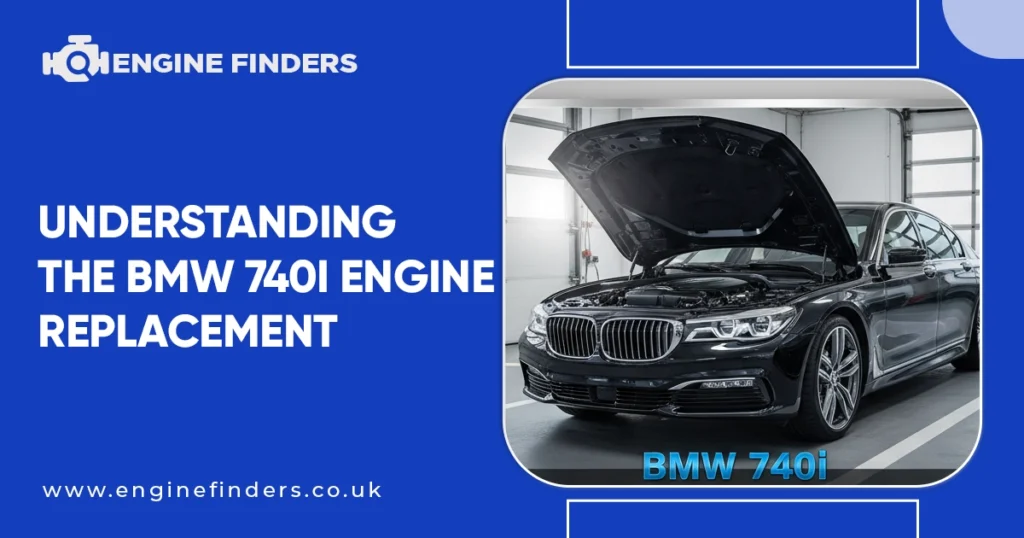
Engine replacement in a luxury car like the 740i usually happens when problems become too severe for repair. Common issues include overheating, worn seals, or timing failures—much like the well-documented BMW 3 Series engine problems many owners encounter.
OEM, reconditioned, or used?
When replacing your 740i’s heart, you’ll typically consider:
- OEM engine: Factory-original, often the most expensive option.
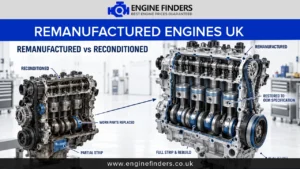
- Reconditioned BMW engines: These are rebuilt to strict standards, such as a reconditioned BMW 420d engine UK or reconditioned BMW 116d engine, offering good reliability at a more reasonable cost.
- Used engines: A cost-saving option, especially if sourced from trusted suppliers of reliable BMW engines.
Whichever route you choose, always confirm warranty coverage and mileage history.
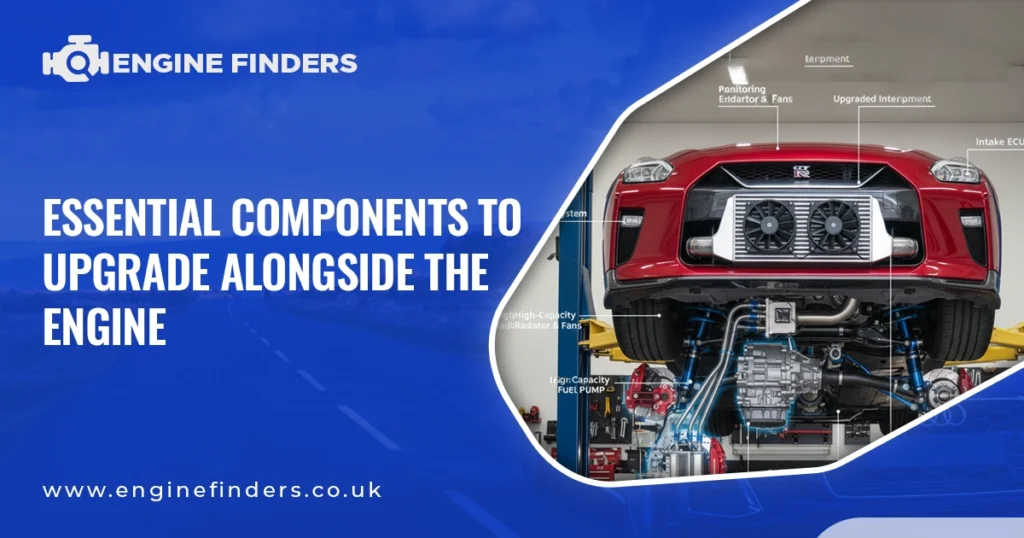
Essential Components to Upgrade Alongside the Engine
3.1 Cooling System
BMWs, from the BMW 1 Series engines to BMW 6 Series engines, are well known for their sensitive cooling systems. When replacing a 740i motor, upgrading the cooling system is a must.
Replace or service:
- Radiator and thermostat
- Water pump (plastic impellers are failure-prone)
- Coolant hoses
This same advice applies whether you’re driving a BMW 535d engine, a BMW X5 engine, or a flagship BMW M5 engine—cooling is everything in long-term reliability.
3.2 Fuel System
A fresh engine deserves efficient fuel delivery. Much like the performance tweaks enthusiasts make to improve BMW 520d engine performance, upgrading your fuel pump, injectors, and filters will ensure your new 740i engine runs at peak efficiency.
3.3 Ignition System
Ignition-related misfires plague models across the board, from BMW 316d engines for sale to high-performance BMW M4 engines. For your 740i, replace spark plugs, coils, and sensors to eliminate misfires and maximize power delivery.
3.4 Transmission Service
Even if you’re not replacing it, the transmission should be inspected and serviced when installing a new engine. This is true across all platforms—whether BMW X1 engines, BMW M2 engines, or BMW Z Series engines—since drivetrain stress is shared across components.
Supporting Parts That Often Get Overlooked

4.1 Motor Mounts
Motor mounts wear over time. During an engine swap, it’s smart to replace them, just as you would when fitting performance-heavy BMW M3 engines or BMW M8 engines.
4.2 Belts & Pulleys
A failed belt can ruin a brand-new engine. Replacing drive belts and pulleys is standard preventive care across BMW 2 Series engines, BMW X4 engines, and of course the 740i.
4.3 Exhaust System
Replacing gaskets, checking catalytic converters, and refreshing oxygen sensors is crucial. This applies whether you’re restoring a BMW X3 engine or boosting a BMW M6 engine.
4.4 Electrical & Sensors
From MAF sensors to ECU programming, electrical components are central to modern BMWs. An engine swap is the perfect time to upgrade these. It’s as relevant for BMW 4 Series engines as it is for your 7 Series.
Preventive Upgrades for Long-Term Reliability
To protect your investment, don’t forget:
- Fresh BMW engine oil and all fluid replacements.
- Battery and alternator testing.
- ECU reprogramming for proper integration.
These small upgrades are the same principles applied to maintaining car engines across BMW’s range, from the sporty BMW X6 engines to luxury sedans.
Performance Upgrades to Consider
If you’re already doing a major repair, why not improve performance? Owners upgrading to BMW M-series engines like the M5 engine or M6 engine often combine their swaps with:
- Cold air intakes
- Performance exhausts
- ECU remaps
Your 740i can benefit from the same approach, making it not just a repair project, but an upgrade in driving enjoyment.
Cost Breakdown & Budgeting Tips
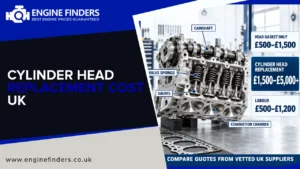
A BMW engine swap can cost anywhere from $6,000 to $15,000+ depending on labor and upgrades. That figure is comparable to fitting other premium engines, such as BMW 5 Series engines or BMW I Series engines.
When budgeting:
- Always “bundle” smaller upgrades during the swap.
- Request quotes from multiple suppliers—many offer an easy get a quote feature for engines.
- Compare options from local suppliers of BMW Z Series engines and online marketplaces.
Professional vs. DIY Replacement: What’s Best?

BMWs are engineering marvels, but also complex. Some DIY owners attempt swaps—especially with more common platforms like the BMW 3 Series engines or BMW 1 Series engines. But with something as advanced as the 740i, professional installation is usually the safer choice.
A professional installer can also help you with details such as ECU coding, integration, and even small jobs like replace BMW key battery programming after electrical resets.
Final Thoughts
A BMW 740i engine replacement is a huge project, but it’s also an opportunity. Done right, you’re not just restoring your sedan—you’re resetting its reliability clock.
From upgrading the cooling system and ignition components to ensuring a fresh supply of BMW engine oil, every detail matters. Whether you’re choosing a used engine, a recondition engine, or browsing BMW engines for sale across multiple series, investing in supporting parts will pay off with years of smooth performance.
BMW owners know that luxury and engineering come at a price. But with the right planning, sourcing, and upgrades, your 740i can continue to deliver everything the BMW 7 Series engines are celebrated for: power, refinement, and timeless driving pleasure.
FAQs About BMW 740i Engine Replacement and Upgrades
1. How much does it cost to replace a BMW 740i engine?
The cost of replacing a BMW 740i engine typically ranges from $6,000 to $15,000+, depending on whether you choose a new, used, or reconditioned engine. Labor, supporting parts, and preventive upgrades can add to the total cost.
2. Is it better to buy a reconditioned BMW engine or a used engine?
A reconditioned engine is usually more reliable because it has been rebuilt to factory standards and comes with a warranty. A used engine may be cheaper, but its history is often uncertain. If you want long-term peace of mind, reconditioned is the safer choice.
3. What parts should I replace when swapping a BMW 740i engine?
In addition to the engine itself, you should replace or upgrade the cooling system (radiator, water pump, hoses), ignition system (coils, plugs, sensors), fuel system components, motor mounts, and belts & pulleys.
4. How long does a BMW 740i engine replacement take?
On average, a professional mechanic may need 20–40 hours depending on the complexity of the job and whether additional repairs are needed. That usually translates to a week or more in the shop.
5. Can I replace my BMW 740i engine myself?
While technically possible, DIY engine swaps on BMWs are not recommended. The 740i’s modern electronics, ECU coding, and tight engine bay require specialized tools and expertise. Professional installation is strongly advised.
6. What type of oil should I use after installing a new BMW engine?
You should always use OEM-approved BMW engine oil with the correct viscosity (typically 5W-30 or 0W-40 depending on climate). Using the wrong oil can void warranties and shorten your new engine’s lifespan.
7. Do I need to upgrade the transmission when replacing the engine?
Not always, but it’s smart to at least service the transmission during the swap. Replace fluids, check the torque converter, and inspect mounts. If your car has high mileage, consider a rebuild to avoid future issues.
8. Will a new engine improve my BMW 740i’s performance?
Yes, a fresh engine will restore lost horsepower and smoothness. If you pair it with performance upgrades like a cold air intake, exhaust, or ECU tuning, you may even exceed the original performance levels.
9. What’s the difference between BMW series engines like the 740i, 535d, or 420d?
BMW engines vary by model series and fuel type. For example, a BMW 535d engine is a high-torque diesel, while a BMW 420d engine is a smaller diesel used in the 4 Series. The 740i uses a petrol inline-six or V8 depending on the year, tuned for luxury and smoothness.
10. Where can I find reliable BMW engines for sale?
You can source engines from BMW specialists, reconditioned engine suppliers, or online engine finder platforms. Always look for suppliers offering warranties and customer reviews to ensure you’re getting a reliable engine.