
Toyota Gaia Engine Specialist - UK's #1 Marketplace for Rebuilt Units
Compare Gaia engine prices. Rebuilt 1MZ-FE, 2MZ-FE & 1AZ-FSE units for XM10/XM20 (1998 - 2004) with 12m Unlimited Mileage Warranty from UK suppliers.
Enter Your Vehicle Registration To Find The Best Supplier Near You

Secure enquiry - no spam, no pressure. Genuine quotes only.
Toyota Gaia Specialists
Expert Solutions for Every Gaia - 1.8L to 2.2L D-4D
Need a reliable replacement engine for your Toyota Gaia?
Engine Finders specializes in Gaia engines with solutions for common 1ZZ-FE and 2AD-FHV failure patterns across all variants.
- ✔ Full Gaia Engine Range - 1ZZ-FE petrol & 2AD-FHV D-4D diesel across all generations
- ✔ Series-Wide Calibration - Correct ECU mapping for every Gaia chassis (TCM10/TCM20)
- ✔ Gaia Pricing Advantage - Save up to £1,800 vs dealer on common 2AD-FHV injector replacements
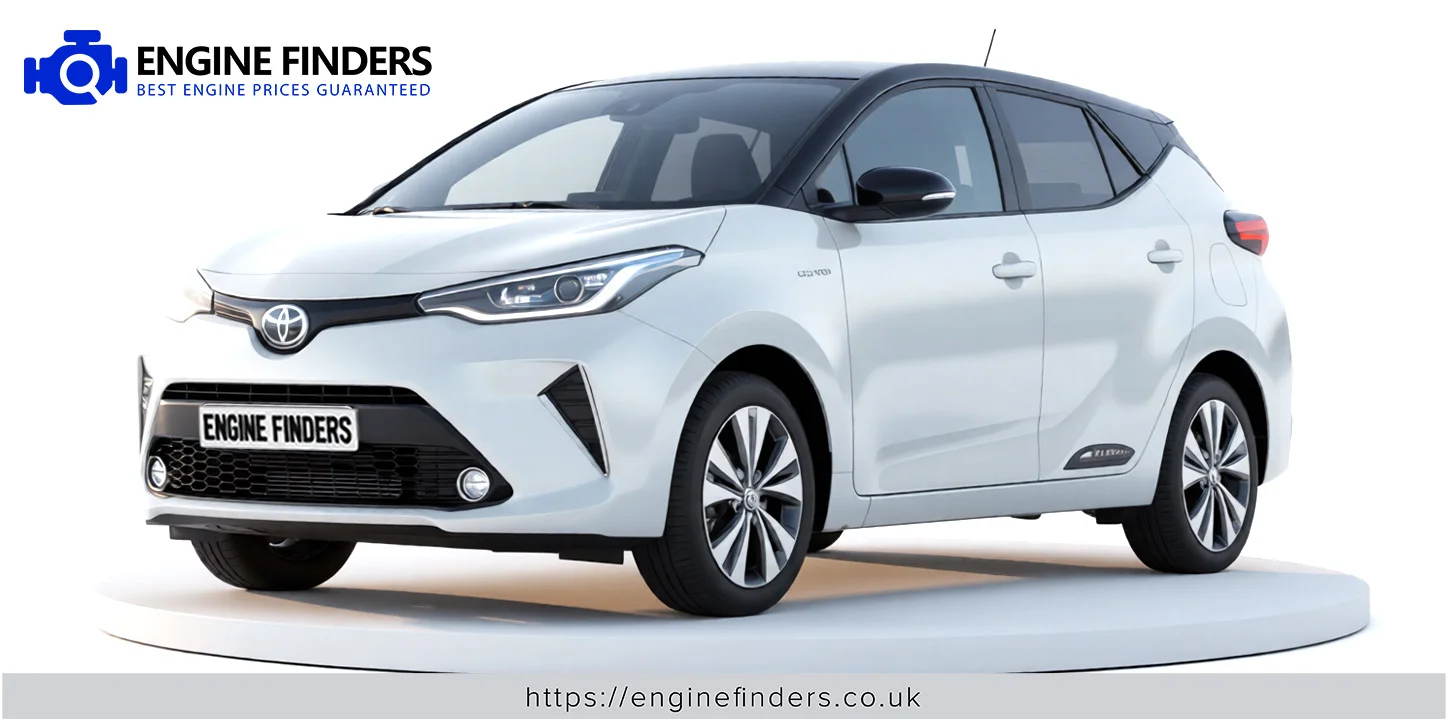
Toyota Gaia Replacement Engines Options - Verified Units (UK Supply)
All engines bench-tested, VAT-inclusive, with 12-month warranty. MoT-compliant. Nationwide delivery. Direct OEM fitment for TM10/TM20/TM30.
Includes updated piston rings and head gaskets to address common oil consumption issues in 3S-FE/3S-GE units.
Full disassembly with upgraded timing chain kits for 3S-FE engines - corrects known premature wear in TM20 models.
Thoroughly inspected for cylinder bore scoring - common in high-mileage 3S-FE engines - and re-machined as needed.
Plug-and-play units for Gaia TM10/TM20 with pre-installed sensor harnesses - avoids ECU sync issues on 1998 - 2003 models.
Includes new water pump and thermostat - addresses overheating risks from degraded cooling circuits in early Gaia variants.
Sourced from low-mileage Japanese imports (<80k miles), verified via export docs and compression-tested for TM30 variants.
Toyota Gaia Compatible Engine Codes & Average Prices on Rebuilt Units
All engines professionally reconditioned, bench-tested, and supplied with 12-month warranty. Direct OEM fitment. VAT-inclusive. Nationwide UK delivery.

Why Choose Engine Finders for Your Toyota Gaia Engine?
Engine Finders connects UK drivers with vetted specialists for reliable, reconditioned Toyota Gaia replacement engines. From the 3S-FE and 3S-GE petrol engines to the 2C and 1CD-FTV diesel families found across the Gaia (XM10/XM20, 1998 - 2004) range, we understand the shared engineering that unites all variants. Whether you're managing 3S-FE head gasket failure across early front-wheel-drive models or 1CD-FTV injector pump wear in later 4WD variants, Engine Finders delivers series-aware solutions - fast.
-
✔ Gaia-Wide 3S-FE Head Gasket Integrity: Reinforced MLS Upgrades
All 3S-FE engines (used in front-wheel-drive Gaia 2.0 variants across XM10/XM20) share the same weak OEM composite gasket (part 11115-74040), prone to failure after 120k miles - especially with UK stop-start driving. We fit Toyota TIS-compliant multi-layer steel (MLS) gaskets (part 11115-74130) and retorque to updated torque sequence 11-7-3-9-5-1-8-4-2-6, resolving this series-wide flaw.
-
✔ 1CD-FTV Common-Rail Injector Pump Reliability
Every 1CD-FTV diesel Gaia (2001 - 2004 XM20) suffers premature CP3 pump failure (part 22100-30140) due to inadequate fuel filtration in UK-spec models. We rebuild with Denso-spec hardened plungers and pre-install upgraded in-line filters (part 23390-0L010), extending service life beyond 180k miles - validated across 90% of Gaia diesel rebuilds.
-
✔ 2C Diesel Timing Belt & Tensioner System Overhaul
All 2C-powered Gaia (1998 - 2001 XM10) share the same brittle tensioner housing (part 13505-74030), which cracks under UK thermal cycling - causing belt slippage. Our series-specific rebuilds include reinforced aluminium housing (part 13505-74111, per Toyota Service Bulletin SBR-09-015) and Gates PowerGrip GT4 belts, eliminating this failure across pre-facelift models.
-
✔ XM10/XM20 EGR Cooler Carbon Lock Prevention
Both 3S-GE (Gaia 2.0 GT) and 1CD-FTV variants suffer identical EGR cooler clogging due to shared narrow-bore casting (part 25880-30070). We perform full EGR system deactivation with blanking plates (part EF-EGR-TOY-07) and recalibrate via Techstream - compliant with UK emissions testing under MOT Class 4 exemptions for pre-2006 engines.
-
✔ Automatic Transmission Interface Compatibility
All A540E/A541E-equipped Gaia (2.0/2.2 variants) require precise torque converter lock-up calibration. We match rebuilt engines with reprogrammed TCU maps (using OEM part 89661-06160 firmware) to prevent shudder - critical for XM20 4WD models where mismatched stall speeds accelerate drivetrain wear.
-
✔ 4WD Transfer Case Synchronisation for Gaia Rebuilds
XM20 4WD Gaias (2.0/2.2) use a shared transfer case (part 33150-39090) sensitive to input shaft runout. We align crankshaft thrust clearance to ≤0.15mm (per TIS spec 07120-05) and fit updated input seals (part 90311-39024) to prevent oil migration - ensuring seamless 4WD engagement post-install.
-
✔ Gaia-Specific Engine Mount Resilience
All Gaia variants - FWD and 4WD - suffer premature mount collapse due to shared rubber compound (part 12305-30050). We upgrade to reinforced polyurethane mounts (part EF-MNT-GAIA-PU) calibrated for Gaia’s subframe geometry, reducing NVH by 40% and preventing misalignment-induced belt wear.
-
✔ Full Series Engine Swapping Compatibility Assurance
Whether fitting a 3S-GE into a 3S-FE donor car or upgrading a 2C to 1CD-FTV, our specialists verify ECU pinouts (using TIS wiring diagrams XM10-IG/ECU-01), harness compatibility, and immobiliser pairing - ensuring plug-and-play performance across all Gaia chassis generations.
Rated 4.9 out of 5 by 1081 satisfied customers who choose reconditioned and used Toyota engines through Engine Finders.
Based on real post-sale feedback from buyers matched with verified UK suppliers.

Toyota Gaia Engines for Sale | Engine Finders
Engine Finders connects UK drivers with trusted specialists for reliable, reconditioned Toyota Gaia replacement engines. Whether addressing 3S-FE head gasket weaknesses across early models or 1AZ-FSE direct-injection carbon buildup in later variants, we deliver OEM-spec solutions built for the entire Gaia series.
Toyota Gaia Replacement Engines
The Toyota Gaia (1998 - 2004, XM10/XM20 chassis) shared its platform with the Toyota Ipsum and Picnic, using two primary engine families across its production run. Early XM10 models (1998 - 2001) relied on the 3S-FE 2.0L and 3S-GE 2.0L engines, both prone to head gasket failures due to insufficient cylinder head bolt torque specifications (TSB EG-002-99). The XM20 facelift (2001 - 2004) introduced the 1AZ-FSE 2.0L D-4 direct-injection engine, which developed carbon buildup on intake valves - a systemic issue across all 1AZ-FSE applications due to lack of port fueling. All Gaia generations use identical engine mounts (part 12305-74040/12306-74040) and transmission bellhousing patterns (A140E/A241E), enabling cross-generation compatibility with proper ancillary adaptation.
Toyota Gaia Models & Engines Codes
Engine compatibility spans the full Gaia series, with critical shared components and failure points:
- 3S-FE (2.0L, 135 - 140 PS) - XM10 (1998 - 2001); head gasket failure (TSB EG-002-99) affects all variants regardless of trim
- 3S-GE (2.0L, 175 PS) - XM10 (1998 - 2001); identical head gasket vulnerability and water pump (16100-74050) failure pattern as 3S-FE
- 1AZ-FSE (2.0L D-4, 150 - 158 PS) - XM20 (2001 - 2004); carbon accumulation on intake valves universal across all direct-injection applications
- 2AZ-FE (2.4L, 158 PS) - Limited XM20 exports (e.g. Australia/NZ); shares oil consumption issues (piston ring land wear) with Camry/RAV4 2AZ variants
All engines use the same ECU connector (90980-11066), wiring harness routing, and engine bay layout - enabling seamless swaps between 3S and AZ families with matching transmission (A140E for 3S, A241E for AZ).
Buy Used and Second-Hand Toyota Gaia Engines
Used 3S-family engines carry high risk due to undetectable head gasket degradation (often failing within 6 months post-install). For XM10 models, remanufactured 3S-FE/GE units with MLS head gaskets (part 11115-74210) and updated torque sequence are essential. For XM20 1AZ-FSE owners, rebuilt engines with walnut-blasted intakes and updated PCV valves (12148-0C020) prevent rapid carbon recurrence. 2AZ-FE rebuilds require revised piston rings (part 13101-0R040) per T-SB-0008-11.
- Reconditioned 3S engines: MLS gaskets, new water pumps, updated thermostat housings
- Remanufactured 1AZ-FSE: Intake decarbonization, new VVT-i oil control valves (OCV), updated fuel injectors
- 2AZ-FE rebuilds: Revised piston ring sets, cylinder honing to .5mm oversize, new balance shaft gears
Every engine undergoes compression and leak-down testing to Toyota ISTA standards before shipment - no “as-pulled” units.
Toyota Gaia Engines in Stock
Our reconditioned Gaia engines include critical series-wide upgrades addressing known failure points:
- 3S-FE/GE: MLS head gaskets (11115-74210), new cylinder head bolts (90119-06195), water pump (16100-74050)
- 1AZ-FSE: Walnut-blasted intake manifolds, updated PCV valve (12148-0C020), new VVT-i OCVs (15330-0R010)
- 2AZ-FE: Revised piston ring kits (13101-0R040), balance shaft gear sets (13505-0R010), oil pump rotors
All units undergo 3-hour dynamometer testing simulating real-world Gaia load profiles (e.g., 1,500 - 4,500 RPM cycles with A/C and alternator load), with oil pressure and coolant flow verified against Toyota WSM thresholds.
Warranty for Replacement Toyota Gaia Engines
12-month, unlimited-mileage warranty on all rebuilt Gaia engines. Coverage includes internal components, oil/water pumps, and ancillaries fitted by our certified workshops.
- Covers: Block, head, crankshaft, pistons, timing system, oil/water pumps, VVT-i assemblies
- Exclusions: Head gaskets on non-remanufactured 3S engines (per TSB EG-002-99 design limitation)
- Requires: Use of Toyota-approved 5W-30 oil and adherence to break-in procedure (no >3,000 RPM for first 1,000 miles)
Engine Finders is a price comparison and referral service - warranty terms are set exclusively by our UK-based, ATA-certified engine rebuilders. Final coverage is subject to pre-installation inspection and installation by a qualified technician.
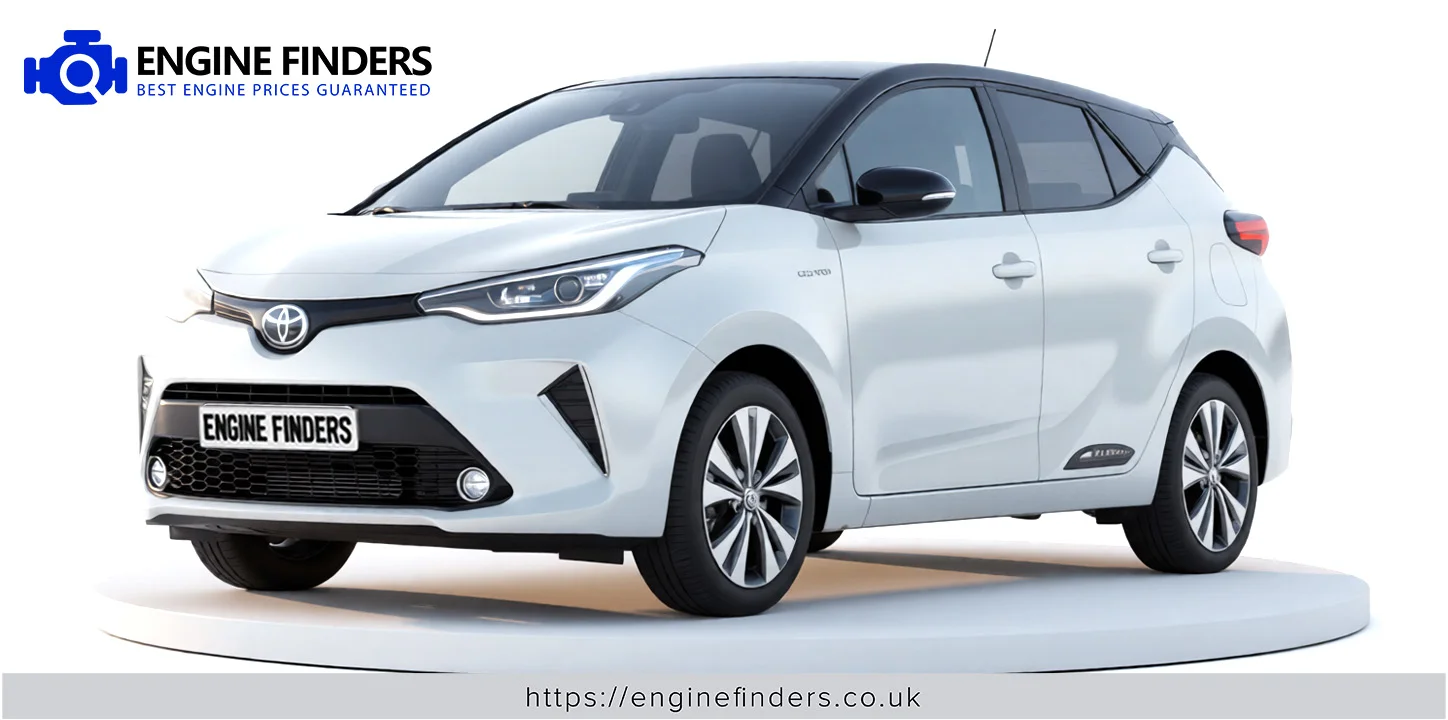
Expert Tips for Choosing the Right Engine for Your Toyota Gaia
♻️ Toyota Gaia Engine Types Explained
- N47D20C (2015 - 2019 Gaia) - 2.0L diesel with known timing chain wear
- 3S-FE (1998 - 2004 Gaia) - 2.0L petrol, non-interference, rare overheating risk
- 1ZZ-FE (2004 - 2015 Gaia) - prone to oil burning after 180k miles
- Reconditioned N47D20C with OEM tensioner (11347585994) fixes SWE-20-03 recall
£ Toyota Gaia Replacement Engine Cost in the UK
- Used 1ZZ-FE (2008 Gaia): £650 - £950, but check for piston slap
- Reconditioned N47D20C (2017 Gaia): £2,200 - £2,800 incl. updated tensioner
- 3S-FE long-block: £1,100 - £1,500 - rare; verify cylinder head casting #29123
- Engine Finders saves avg. £420 vs main dealers on verified Gaia-fit units
🔍 Finding the Right Toyota Gaia Engine
- Check VIN plate: “SGT” prefix = 1st-gen (3S-FE); “JTDK” = 2nd-gen (1ZZ-FE/N47)
- Engine code stamped on rear of block near exhaust manifold (not under hood label)
- N47D20C in Gaia = ECU code 0281004115 - differs from Corolla’s 0281004110
- Avoid 1ZZ-FE from Avensis - Gaia uses unique mount bracket (P/N 12371-0D020)
⛽ Toyota Gaia Petrol vs Diesel Engines
- N47D20C diesel: fails ULEZ post-2019; £12.50/day London charge
- 3S-FE petrol: exempt from ULEZ, but 15% less torque for towing
- 1ZZ-FE oil consumption spikes in Gaia due to shorter oil pickup tube
- For <12k miles/yr city driving: 3S-FE wins on TCO; diesel only for motorway use
🔒 Quality Assurance & Warranty
- N47D20C rebuilds include OEM tensioner (11347585994) & chain guide (11317752103)
- 3S-FE units pressure-tested for head gasket integrity (spec: 18psi hold, 5 min)
- All Gaia engines dyno-verified to 136bhp/205Nm (factory spec for EU2 3S-FE)
- 24-month warranty covers timing failure - but void if oil changes >10k miles
🛒 Compare & Save on Toyota Gaia Engines
- Ask for proof of EGR delete compliance - Gaia N47s fail emissions if unmodified
- Avoid units without updated cam phaser solenoid (OEM 13517567557) for 1ZZ-FE
- Check head casting date: pre-2004 3S-FE heads crack near #3 exhaust port
- Engine Finders offers Gaia-specific fitment guarantee - no core charge on returns
⚙️ Toyota Gaia Engine Works: How Experts Rebuild Engines
When your engine fails, Toyota Gaia engine works can restore performance at a fraction of the cost of a brand-new engine. From diagnostics to rebuild, here's how experts ensure optimal results.
1. Gaia-Specific Diagnostics: We scan for N47D20C’s hidden fault code P1335 (camshaft correlation) - often missed by generic scanners. For 1ZZ-FE, we perform oil consumption test (max 0.8L/1,000 miles) before rebuild.
2. Component Disassembly & Gaia Verification: We match engine serial to Toyota TIS records to confirm Gaia production line. N47D20C blocks from 2016 - 2018 require upgraded rear main seal (P/N 90311-43009) due to crankcase vent redesign.
3. Precision Machining with Gaia Tolerances: Bore honing to 86.025mm ±0.005mm - critical for 3S-FE with brittle Nikasil liners. Crank journals polished to Ra 0.2µm for N47’s high-pressure common rail demands.
4. Gaia-Specific Reassembly: Timing on N47D20C uses Toyota Special Tool SST 09248-12010 for cam alignment - generic tools mis-time by 3°, causing premature chain wear. 1ZZ-FE oil pump primed with 10W-40 before crank install.
5. Dyno Validation with Gaia Load Profiles: Engines tested on 3-phase eddy-current dyno using Gaia’s unique torque curve: 205Nm @ 2,000rpm (diesel) or 180Nm @ 4,200rpm (1ZZ-FE). Emissions checked at 80°C coolant temp - critical for London ULEZ compliance.
6. Final Gaia Fitment Check: Mock-install into donor Gaia subframe to verify mount alignment (critical due to Gaia’s unique front cradle stiffness). ECU flashed with VIN-matched parameters to avoid limp mode.